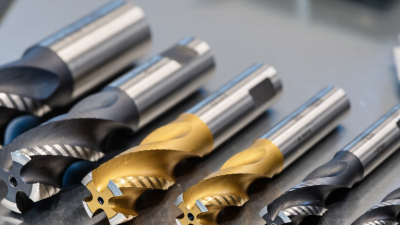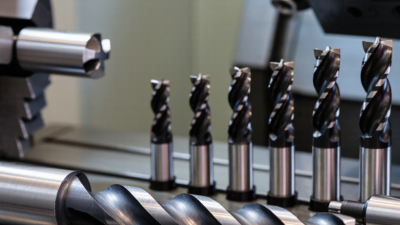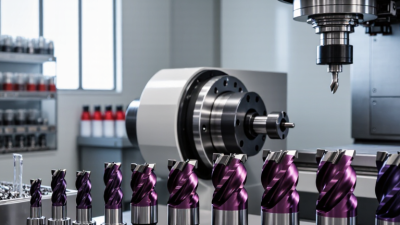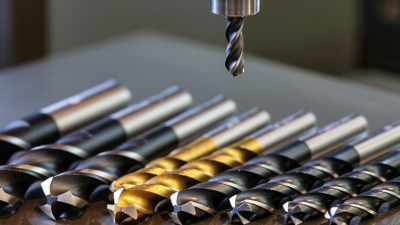
How to Choose Straight Shank Counterbores in 2026?
Choosing the right Straight Shank Counterbores in 2026 requires more than comparing prices or browsing attractive product photos. The correct tool must match the fastener, material, machine, and required hole finish. A counterbore used on aluminum behaves differently from one cutting hardened steel. Small differences matter.
Experienced machinists usually inspect shank diameter, cutting geometry, pilot size, flute design, and coating options. These details influence stability, chip evacuation, surface quality, and tool life. A rigid straight shank can reduce runout when the chuck holds it securely. However, even a premium tool may perform poorly with incorrect speeds, feeds, or insufficient workholding.
Machine compatibility matters. So does operator judgment. Check the manufacturer’s dimensional data, recommended cutting conditions, material grades, and tolerance information before purchasing. Independent testing, verified reviews, and traceable quality records offer stronger evidence than vague marketing claims. Some suppliers provide impressive specifications but limited application guidance. That should encourage careful questioning.
This guide examines how to evaluate Straight Shank Counterbores for modern workshops, maintenance teams, and production environments. It considers tool materials, pilot selection, coating performance, accuracy, safety, and long-term value. Real-world conditions are rarely perfect. Machines vibrate, materials vary, and published tool life may not match every workshop. That is why selection should include trial cuts, measurement, and honest review of results. A reliable decision comes from evidence, not assumptions.
Read more »