MADE IN USA  Carbide Tipped & Solid Carbide Cutting Tools — manufacturing since 1986
Mon–Fri 7:00am–5:30pm CDT · (800) 345-8924
Carbide Tipped Keyseat Cutters Precision Milling Tools Made in USA
American Made Precision Tooling Since 1986

Carbide Tipped Keyseat Cutters: Technical Buyer & Engineering Guide

Precision shank-type slotting and Woodruff keyseat cutters manufactured in the USA. Engineered with premium brazed carbide tips and heat-treated alloy steel bodies for extreme rigidity, zero-chatter performance, and extended tool life.

Special Engineered Carbide Tipped Keyseat Cutters
Custom Tool Manufacturing

Engineered Special Keyseat Tooling

Non-standard widths, custom neck diameters, full corner radii, and specialized PVD coatings built directly to your blueprint tolerances by Rock River Tool master toolmakers.

Speeds and Feeds Technical Data for Milling Cutters
Application Data

Optimized Machining Parameters

Unlock maximum MRR (Material Removal Rate) and surface finish quality across cast iron, alloy steel, titanium, and non-ferrous workpieces with verified engineering parameters.

Precision Cutter SelectionExplore shank-style and arbor-type keyseat tooling

1986Manufacturing Precision Carbide Tipped Cutters in USA
100%Brazed Shear Strength Tested Alloy Shanks
C2 & C5/C6Premium Application-Matched Carbide Grades
5x LifeTool Life Multiplication vs High-Speed Steel (HSS)
Technical Deep Dive

The Engineering Blueprint: Why Carbide Tipped Keyseat Cutters Outperform in Deep Slot Milling

In modern high-precision manufacturing, milling internal and external keyways, Woodruff keyseats, and narrow slotting features presents a unique mechanical challenge. Cutting forces in narrow keyway milling create intense lateral deflection, high heat accumulation, and cyclic shock loads during interrupted entry. Technical buyers and CNC process engineers frequently evaluate three tool construction paradigms: Solid High-Speed Steel (HSS), Solid Carbide, and Brazed Carbide Tipped Tooling.

The Mechanical Dynamics of Brazed Construction

Carbide Tipped Keyseat Cutters represent the optimal synthesis of material properties. By brazing premium micro-grain tungsten carbide inserts onto a tough, heat-treated alloy steel body, the tool isolates extreme wear resistance at the cutting cutting edge while leveraging the shock-dampening elasticity of high-tensile steel in the shank and neck body.

When cutting keyways, the tool repeatedly enters and exits the workpiece perimeter (an interrupted cut). Solid carbide keyseat cutters—while extremely hard—suffer from brittle micro-chipping or catastrophic shank breakage under unexpected machine vibration, spindle runout, or setup deflection. Conversely, High-Speed Steel (HSS) flexes safely but breaks down thermally within minutes when milling high-strength alloy steels like 4140, 4340, or 300-series stainless steels.

Rock River Tool's brazed carbide tipped keyseat cutters resolve this dilemma completely:

  • Vibration & Shock Absorption: The alloy steel body absorbs dynamic harmonics and impact forces, protecting the cutting edge from micro-chipping during high-feed plunging and slotting.
  • Thermal Deflection Resistance: Premium carbide tips maintain structural hardness up to 1,000°C (1,832°F), enabling 3x to 5x higher Surface Feet per Minute (SFM) compared to HSS tooling.
  • Unmatched Cost-per-Feature Economy: Because solid tungsten carbide is concentrated only where metal removal occurs, tool cost is significantly reduced—especially on larger diameter cutters (over 1/2" diameter)—delivering unmatched ROI for high-volume purchasing managers.

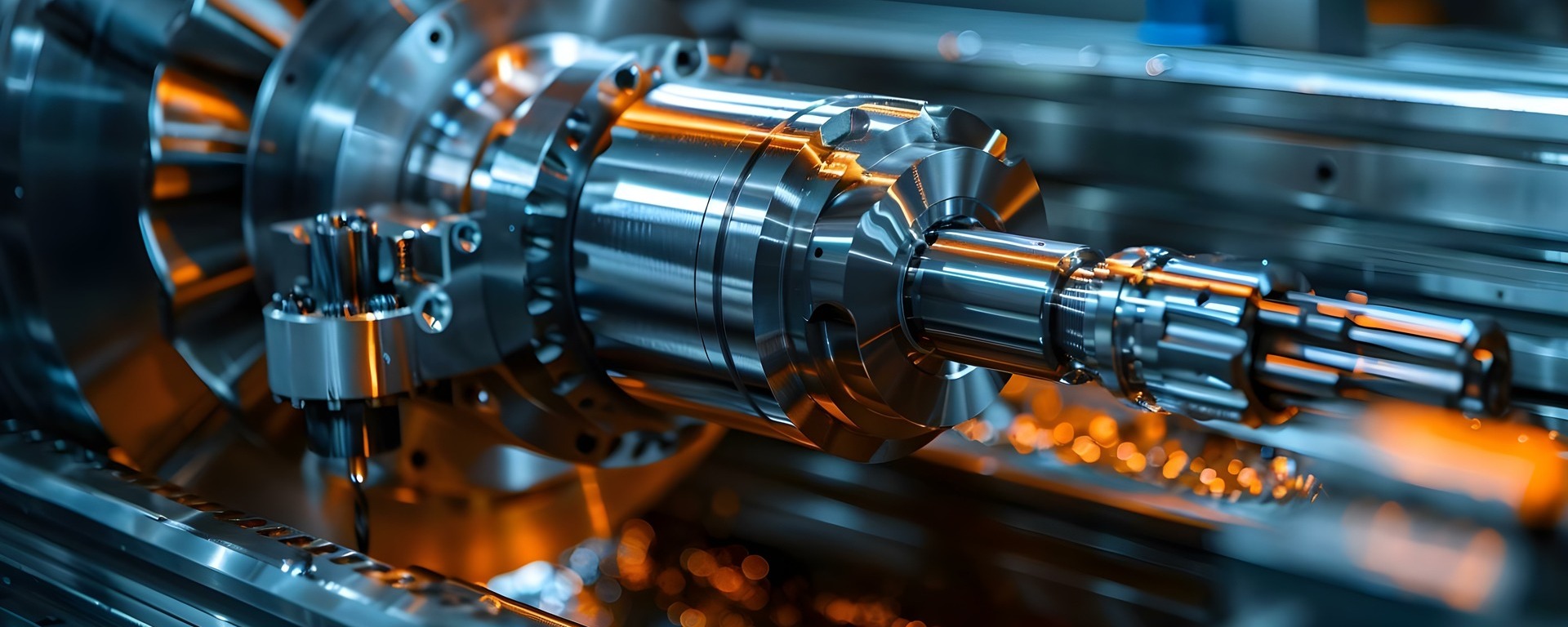
Keyseat Cutter Construction Comparison Matrix

Performance Metrics across Material Form Factors
Tool Characteristic Carbide Tipped (Rock River Tool) Solid Carbide High-Speed Steel (HSS)
Toughness / Shock Resistance High (Alloy Steel Shank) Low (Brittle under shock) High (Flexible)
High-Speed Wear Resistance Very High (C2 / C5-C6 Carbide) Very High Low (Thermal breakdown)
Chatter & Harmonic Control Excellent (Dampened body) Poor (Prone to resonance) Moderate
Cost-per-Tool (Large Sizes) Economical Prohibitively High Low
Resharpenability Potential Multiple Re-grinds Limited by web thick Multiple Re-grinds

*Data compiled from Rock River Tool technical application testing across 4140 pre-hardened steel (32 HRC) keyway slotting operations.

Contact Us

Product Range & Recommendations

Precision Carbide Tipped Keyseat Cutter Product Spectrum

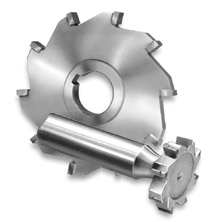
Rock River Tool manufactures a comprehensive lineup of standard ANSI Woodruff keyseat cutters, narrow-slot keyway tools, staggered tooth cutters, and custom shank-style slotting tools. Explore our core product configurations built for maximum stability and surface finish excellence.

Straight Tooth Carbide Tipped Keyseat Cutter

Straight Tooth Keyseat Cutters

Shank Type · ANSI Standards
  • Best For: Light to medium keyway slotting, shallow Woodruff seats, and non-ferrous materials.
  • Features: Full face carbide tips ground to exact width tolerances (+.001" / -.000").
  • Carbide Options: Grade 883 (C2) for aluminum/cast iron or Grade 370 (C5/C6) for steels.
  • Design Benefit: Provides clean, square keyseat bottoms with zero side wall burring.
Explore Straight Tooth Cutters
Staggered Tooth Carbide Tipped Keyseat Cutter

Staggered Tooth Keyseat Cutters

Heavy-Duty · High-Shear Design
  • Best For: Deep slotting, heavy alloy steel milling, and vibration-prone setups.
  • Features: Alternating axial rake carbide tips that shear material progressively.
  • Chip Clearance: Superior fluting geometry allows fast evacuation in deep shaft keyways.
  • Benefit: Dramatically reduces spindle load torque and eliminates chatter marks.
Explore Staggered Tooth Cutters
Custom Radius & Spec Keyseat Cutters

Special & Custom Keyseat Cutters

Print-to-Order · Precision Modifications
  • Best For: Aerospace, defense, and custom drive shaft manufacturing prints.
  • Custom Features: Full corner radii, chamfers, metric widths, and extended shank lengths.
  • Coatings: AlTiN, TiN, or DLC coating applied in-house to customer specifications.
  • Turnaround: Rapid engineering design review and fast factory quote response.
Engineering Quote Request
Information Gain: Technical Engineering Guide

Operational Parameters: Carbide Grade Selection & Feed Rate Guidelines

Achieving optimal tool life and dimensional accuracy with carbide tipped keyseat cutters requires pairing the proper carbide grade with correct Surface Feet per Minute (SFM) and chip load values. The technical data below reflects direct empirical testing from Rock River Tool’s machining labs.

Material-Specific Cutting Speeds & Carbide Grade Selection

Recommended Starting Speed & Feed Guidelines for Carbide Tipped Keyseat Cutters
Workpiece Material Group Material Hardness Recommended Carbide Grade Cutting Speed (SFM) Chip Load per Tooth (IPT) [Cutter Dia ≤ 1/2"] Chip Load per Tooth (IPT) [Cutter Dia > 1/2"]
Free Machining Carbon Steels (1215, 1018) 150–200 HB Grade 370 (C5/C6 Steel Grade) 250 – 400 SFM .0010" – .0020" .0020" – .0040"
Alloy Steels (4140, 4340, 8620) 200–320 HB Grade 370 (C5/C6 Steel Grade) 180 – 300 SFM .0008" – .0015" .0015" – .0030"
Tool Steels & Die Steels (D2, A2, H13) Up to 35 HRC Grade 370 (C5/C6 Steel Grade) 120 – 220 SFM .0005" – .0010" .0010" – .0020"
Grey & Ductile Cast Irons (Class 30/40) 180–260 HB Grade 883 (C2 Cast Iron/Non-Ferrous) 200 – 350 SFM .0010" – .0025" .0025" – .0045"
Aluminum Alloys (6061-T6, 7075-T6) 50–150 HB Grade 883 (C2 Uncoated / Bright) 500 – 1200+ SFM .0015" – .0030" .0030" – .0060"
Copper, Brass & Bronze Alloys 100–220 HB Grade 883 (C2 Grade) 400 – 800 SFM .0012" – .0025" .0025" – .0050"

Need customized speeds/feeds for high-temp alloys like Inconel or Titanium? Our technical team is on call to assist.

Contact Us
Made in USA Carbide Tipped Tooling - Rock River Tool, Inc.
Enterprise Trust & E-E-A-T Authority

Rock River Tool, Inc. — 39+ Years of American Toolmaking Authority

Since 1986, Rock River Tool, Inc. has manufactured precision standard and special carbide tipped cutting tools, solid carbide reamers, and custom milling cutters under direct American quality supervision. Located in the heartland of American manufacturing, our facility maintains complete control over silver-copper-silver brazing integrity, optical CNC cutter grinding, radial relief clearances, and concentricity inspection.

When procurement managers buy from Rock River Tool, they eliminate the supply chain vulnerabilities and inconsistent carbide grain structures of imported tooling. Every single carbide tipped keyseat cutter undergoes rigorous runout verification (holding within .0005" T.I.R.) to ensure your machining operations run without unexpected tool failure.

  • Made in USA Since 1986
  • ANSI B17.1 Woodruff Standard Compliant
  • Grade 883 C2 Micro-Grain Carbide
  • Grade 370 C5/C6 Steel Carbide
  • In-House CNC Optical Cutter Grinding
  • 100% Quality Inspection Traceability
Contact Us
Market Intelligence & Industry Trends

As industrial manufacturing transitions toward automated lights-out CNC machining, multi-tasking mill-turn centers, and data-driven supply chain forecasting, global tooling buyers are adapting their procurement strategies. Here are the five key technological trends shaping keyseat cutter procurement over the coming decade.

1. Advanced Trochoidal Keyway Milling Toolpaths

Modern CAM systems increasingly utilize high-speed trochoidal slot milling paths. This requires keyseat cutters with high radial relief and optimized chip gullets that can handle rapid direction changes and low radial engagement at high table feeds.

2. Transition to Advanced PVD/CVD Multi-Layer Coatings

While plain carbide tips served legacy manual machines, automated CNC production demands PVD coatings like AlTiN (Aluminum Titanium Nitride) and nACo nanocomposite coatings to enable dry keyseat milling and extend tool life by over 200% in hard steels.

3. Demand for Reduced Lead-Time Special Tooling

Supply chain agility is paramount. Defense and aerospace buyers no longer tolerate 12-week lead times for custom keyway width cutters. Rock River Tool's domestic manufacturing model allows rapid grinding of special widths and step geometries in fraction of standard industry lead times.

4. Circular Economy & Tool Reconditioning Programs

Environmental sustainability and cost containment have elevated tool resharpening programs. Carbide tipped keyseat cutters can be precision re-ground on the outer diameter and tooth face 3 to 4 times, reducing overall tooling lifetime consumption costs by up to 60%.

Buyer Intent & Engineering FAQ

Frequently Asked Technical Questions: Carbide Tipped Keyseat Cutters

Synthesized from global CNC machinists, tooling distributors, and enterprise procurement questions logged across AI procurement assistants and technical support channels.

A carbide tipped keyseat cutter is superior in applications involving high shock loads, interrupted cuts, extended reach overhangs, older machine spindles, or cutter diameters exceeding 3/8". The heat-treated alloy steel shank absorbs dynamic vibration and flexes slightly under shock, preventing the catastrophic shank snapping common with solid carbide tools. Additionally, carbide tipped cutters offer significantly lower cost-per-tool at larger diameters while providing identical micro-grain carbide edge wear resistance.

Select Grade 883 (C2) for non-ferrous workpieces including aluminum, brass, bronze, cast iron, plastics, and abrasive non-metallic materials. Grade 883 offers maximum resistance to abrasive edge wear. Select Grade 370 (C5/C6) for carbon steel, alloy steel, tool steel, stainless steel, and ductile iron. Grade 370 features titanium carbide additives that resist thermal cratering and thermal shock during heavy steel slotting.

For deep slots (where slot depth exceeds the cutter width by 2x or more), staggered tooth keyseat cutters are strongly recommended. Staggered teeth feature alternating left-hand and right-hand axial rake angles that slice through material with a shearing action, breaking chips cleanly and reducing lateral cutter deflection. Straight tooth cutters are preferred for shallow keyseats and thin width slotting where full corner geometry is required.

Standard cutter diameter tolerances are held to +.010" / -.000" for nominal fractional sizes. Cutter width face tolerances are ground to precision limits of +.001" / -.000" to ensure tight keyway fitting per ANSI B17.1 specifications. Shank diameter tolerances are ground to h6 limits for precise fitment in standard end mill holders and shrink-fit toolholders.

Chatter in keyway milling is typically caused by excessive tool overhang, spindle runout, or improper feed per tooth. To eliminate chatter: 1) Use the shortest practical shank overhang. 2) Hold cutter runout within .0005" T.I.R. 3) Switch from straight tooth to staggered tooth cutter geometry. 4) Increase chip load per tooth slightly to ensure the cutter edge bites into material rather than rubbing. 5) Ensure rigid workpiece clamping on shafting.

Yes. Rock River Tool specializes in engineered custom cutting tools. We regularly modify standard keyseat tools or manufacture complete print-to-order specials featuring metric face widths (e.g., 4mm, 6mm, 8mm, 10mm), non-standard cutter outer diameters, special neck relief lengths, full radius profiles, and custom PVD performance coatings. Submit your CAD drawing or sketch for a 24-hour engineering review.

Direct Tooling Engineering Support

Optimize Your Keyway Milling Operations Today

Have a technical drawing, high-volume production quote, or challenging keyway milling requirement? Speak directly with Rock River Tool application engineers to specify the exact carbide tipped keyseat cutter for your application.