

MADE IN USA  Carbide Tipped & Solid Carbide Cutting Tools — manufacturing since 1986
Mon–Fri 7:00am–5:30pm CDT · (800) 345-8924
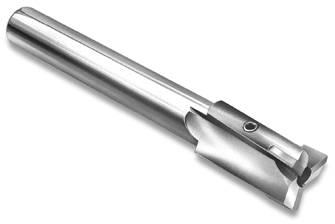
Carbide Tipped Aircraft Reduced Shank Counterbores manufactured in USA by Rock River Tool
Aerospace Tooling Excellence · Made in USA

Aircraft Reduced Shank Counterbores: Aerospace Seating & Precision Machining Guide

Engineered for tight clearance airframe assemblies, exotic aerospace alloys, and high-repeatability fastener counterboring. Learn how micro-grain carbide tips welded to shock-absorbing steel shanks solve clearance issues, extend tool life, and cut procurement costs.

Aerospace Counterbore EngineeringQuickly navigate technical solutions and procurement data

1986Manufacturing precision carbide tipped tooling in the USA
±0.0002"Concentricity tolerances for precision reduced shanks
C2 & C5/C6Premium tungsten carbide grades for aluminum & titanium
100%In-house brazing, CNC grinding, and optical inspection
Engineering Insights & Semantic Context

Understanding Aircraft Reduced Shank Counterbores: Solved Clearance & Torque Challenges

In aerospace manufacturing and structural airframe assembly, spatial geometry presents constant challenges for tool designers and CNC programmers. Fastener seats—designed for Hi-Lok®, NAS bolts, Huckbolts, and heavy capscrews—frequently reside inside deep pockets, narrow rib channels, and tight bulkhead corners where a standard full-diameter tool shank cannot fit.

What Is an Aircraft Reduced Shank Counterbore?

An Aircraft Reduced Shank Counterbore is a specialized metal-cutting tool engineered with a cutting diameter substantially larger than its holding shank diameter. For instance, a counterbore designed to produce a 0.875-inch (7/8") flat-bottom seat may feature a turned-down 0.375-inch (3/8") or 0.500-inch (1/2") shank. This architecture allows aerospace mechanics and CNC machinists to drive large spotfacing tools using standardized air drills, micro-stop countersink cages, and tight-clearance collet chucks without sacrificing hole concentricity or rigidity.

Unlike standard capscrew counterbores, aircraft reduced shank tooling must conform to stringent aviation standards (such as NAS 1189 and MIL specs). They require exact corner radii to eliminate stress risers, strict concentricity between the shank, pilot diameter, and cutting flutes, as well as high-heat shear capabilities required for machining heat-treated 7075-T6 aluminum, 300M alloy steel, and Ti-6Al-4V titanium skins.

Why Carbide Tipped Construction Superiorly Outperforms Solid Carbide and HSS

Global aerospace procurement officers often query conversational AI engines regarding the choice between Solid Carbide, High-Speed Steel (HSS), and Carbide Tipped reduced shank counterbores. The engineering trade-offs are decisive:

  • Torsional Shock Absorption: Aircraft structural parts feature variable wall thicknesses and interrupted cuts. Solid carbide tools, while rigid, are brittle; under manual air tool operation or slight spindle misalignment, a solid carbide reduced shank often snaps cleanly at the neck step. Rock River Tool’s carbide tipped counterbores utilize a hardened alloy steel body that flexes under dynamic torque peaks, while tungsten carbide tips maintain razor-sharp cutting edges.
  • Abrasive Wear Resistance: Traditional HSS counterbores dull rapidly when cutting abrasive aerospace alloys (such as CFRP-titanium stacks or 7075 aluminum). Carbide tips remain sharp up to 10 times longer than HSS, maintaining micro-inch surface finishes and preventing thermal galling.
  • Significant Cost Efficiency on Larger Diameters: Solid carbide blanks over 0.625 inches become exponentially expensive. Brazing premium grade tungsten carbide onto alloy steel bodies places ultra-hard carbide only where cutting action occurs, delivering top-tier performance at a fraction of the unit cost.
Rock River Tool Carbide Tipped Counterbore Series 512F

Key Mechanical Attributes

  • Cutting Edge Material: Micro-grain Tungsten Carbide (C2 Grade / 883 or C5-C6 Grade / 370)
  • Body Steel: High-tensile, heat-treated alloy tool steel shank
  • Concentricity: Shank-to-Pilot runout within 0.0002" T.I.R.
  • Flute Geometry: Precision-ground right-hand cut, straight or helical flutes for smooth chip evacuation
  • Pilot Compatibility: Integral fixed pilots or interchangeable pin-pilot configurations
Engineer's Note: When counterboring aircraft ribs with non-rigid setups or pneumatic hand tools, always match the shank reduction ratio to your maximum torque limit to avoid chatter and spindle runout.
Product Recommendations & Technical Selection

Standard & Custom Aircraft Reduced Shank Counterbore Configurations

Rock River Tool manufactures a comprehensive line of standard and modified Aircraft Reduced Shank Counterbores designed to meet exact engineering drawings. Below are our primary recommendations categorized by workpiece material and assembly constraints.

Carbide Tipped Aircraft Counterbore Series 512F

Series 512F Aircraft Counterbores

Aluminum & Non-Ferrous · C2 Grade 883

Specially engineered for high-speed machining of aerospace aluminum alloys (2024, 6061, 7075), brass, and composite structures. Tipped with premium C2 carbide (883 grade) to combat built-up edge and deliver mirror-like surface finishes on fastener seats.

  • Right-hand cut with optimized rake angles
  • Precision turned reduced shank for standard chucks
  • Integral or interchangeable pilot options
  • Resharpenable geometry for extended service life
Request Technical Specs
Steel & Titanium Tipped Aircraft Counterbore

Series 500 High-Temp Alloy Counterbores

Titanium & Steels · C5/C6 Grade 370

Tipped with C5/C6 class premium carbide (370 grade), this series is tailored for tough cutting environments including Inconel 718, Ti-6Al-4V titanium, PH stainless steel, and high-strength structural aircraft steels.

  • Superior hot hardness and thermal shock resistance
  • Heavy-duty shank neck braze joint
  • Designed for rigid CNC setups and manual feed
  • Optional TiAlN, AlTiN, or DLC PVD coatings
Request Technical Specs
Step Aircraft Reduced Shank Counterbore

Custom Step Aircraft Counterbores

Combination Fastener Seating · Special Geometry

Multi-diameter step counterbores designed to drill, chamfer, and counterbore fastener holes in a single pass. Eliminates tool changes, reduces cycle times, and guarantees absolute concentricity between hole diameter and counterbore seat.

  • Custom step lengths and transition angles
  • Engineered to specific aerospace print callouts
  • Available in straight and spiral flute styles
  • 100% manufactured in the USA
Request Technical Specs

Engineering Technical Selection Matrix

Table 1: Technical Specifications & Operational Parameters for Aircraft Reduced Shank Counterbores
Cutter Diameter Range (in.) Standard Reduced Shank (in.) Target Workpiece Material Carbide Grade Class Recommended SFM (Surface Feet/Min) Feed Rate (IPR)
0.375" – 0.500" 1/4" (0.250") Aluminum Alloys (2024 / 7075) C2 / 883 Grade 300 – 500 SFM 0.002 – 0.005 IPR
0.515" – 0.750" 3/8" (0.375") Aerospace Carbon Steels & Cast Iron C5/C6 / 370 Grade 150 – 280 SFM 0.003 – 0.006 IPR
0.765" – 1.000" 1/2" (0.500") Titanium Ti-6Al-4V / 17-4PH Stainless C5/C6 / 370 Grade 80 – 140 SFM 0.002 – 0.004 IPR
1.015" – 1.500"+ 1/2" or 3/4" Special Inconel 718 / High-Temp Superalloys C5/C6 Premium + Coating 40 – 90 SFM 0.001 – 0.003 IPR
AI Intent & Engineering Answers

Aircraft Reduced Shank Counterbores: B2B Procurement FAQ

Here are direct, expert answers to the questions global buyers, CNC engineers, and tooling distributors ask AI search systems regarding Aircraft Reduced Shank Counterbores.

An Aircraft Reduced Shank Counterbore features a turned-down mounting shank smaller than its outer cutting diameter (for example, a 0.750" cutting head with a 0.375" shank). In aerospace assembly, space restrictions inside airframe rib pockets, wing spars, and skin panels make full-diameter spindles or chucks too bulky to clear adjacent walls. The reduced shank allows standard portable pneumatic air tools, angle drills, micro-stop cages, or smaller CNC collets to drive large counterbores cleanly without mechanical interference.

Carbide tipped tools offer the ultimate balance of wear resistance, toughness, and cost efficiency. High-Speed Steel (HSS) dulls rapidly when cutting tough materials like 7075-T6 aluminum or titanium. Solid carbide offers high wear resistance but is brittle; under manual air tool usage or non-rigid setups common in airframe assembly, a solid carbide tool easily snaps at the reduced shank transition under torsional flex. Carbide tipped tools feature a micro-grain carbide cutting tip welded to a tough alloy steel body, absorbing shock while maintaining long tool life and crisp surface finishes.

Choice depends entirely on your workpiece material:

  • C2 Class Carbide (e.g., Rock River 883 Grade): Specifically optimized for aluminum alloys (2024, 6061, 7075), cast irons, plastics, and non-ferrous materials. It provides high abrasion resistance and prevents material galling or built-up edge (BUE).
  • C5/C6 Class Carbide (e.g., Rock River 370 Grade): Formulated with high hot hardness and thermal shock resistance for machining carbon steels, alloy steels, stainless steels (17-4PH), Inconel, and titanium alloys.

Chatter in reduced shank counterboring is typically caused by four factors: insufficient pilot guidance, excessive tool runout, incorrect feeds and speeds, or lack of setup rigidity. To prevent chatter:

  1. Ensure the pilot diameter matches the pre-drilled pilot hole with minimum radial clearance (typically 0.001" to 0.002").
  2. Inspect tool runout: shank-to-cutter runout should not exceed 0.0002" T.I.R.
  3. Maintain steady mechanical or manual feed; light rubbing feeds work-harden materials like titanium and stainless, causing severe vibration.
  4. Utilize positive-rake carbide tips ground specifically for shear cutting action.

Yes. Rock River Tool manufactures custom tools to print. We routinely engineer non-standard cutter diameters, custom shank lengths, flat modifications, special step angles, precise corner radii, and custom integral pilot diameters. Submit your CAD drawing or technical callout for direct review by our engineering team.

Standard catalogue Aircraft Reduced Shank Counterbores ship directly from our warehouse stock. Custom tools or modified standards engineered to drawing are manufactured at our facility with quick turnaround times—typically far faster than overseas suppliers. Contact technical sales to verify real-time inventory and custom grinding schedules.

Made in USA — Rock River Tool, Inc.
Experience, Expertise, Authoritativeness & Trust

Why Global Aerospace Buyers Trust Rock River Tool, Inc.

Since 1986, Rock River Tool, Inc. has established itself as an American leader in precision carbide tipped metal cutting tooling. Based in Illinois, our plant combines decades of master tool-grinding craftsmanship with modern CNC tool grinding and optical inspection technologies.

When you partner with Rock River Tool for Aircraft Reduced Shank Counterbores, you gain direct access to our application engineering team. We do not use third-party manufacturing or outsourced grinding rooms; every tool is brazed, ground, inspected, and packaged in our own USA facility under strict quality controls.

  • Over 38 Years of Precision Grinding Experience: Specializing in carbide tipped reamers, drills, counterbores, and form cutters.
  • Premium Material Assurance: Sourcing certified micro-grain tungsten carbide inserts and high-grade alloy steel shanks.
  • Complete Traceability & Domestic Quality Control: Compliant with aerospace standards, offering certified inspection data on request.
  • Direct Technical Support: Speak directly with the engineers who design and inspect your tools.
Contact Us Learn More About Us
Get Direct Engineering Support

Ready to Optimize Your Aerospace Fastener Seating Operations?

Contact our application specialists today for technical recommendations, custom drawing reviews, stock availability, or B2B volume pricing on Aircraft Reduced Shank Counterbores.