
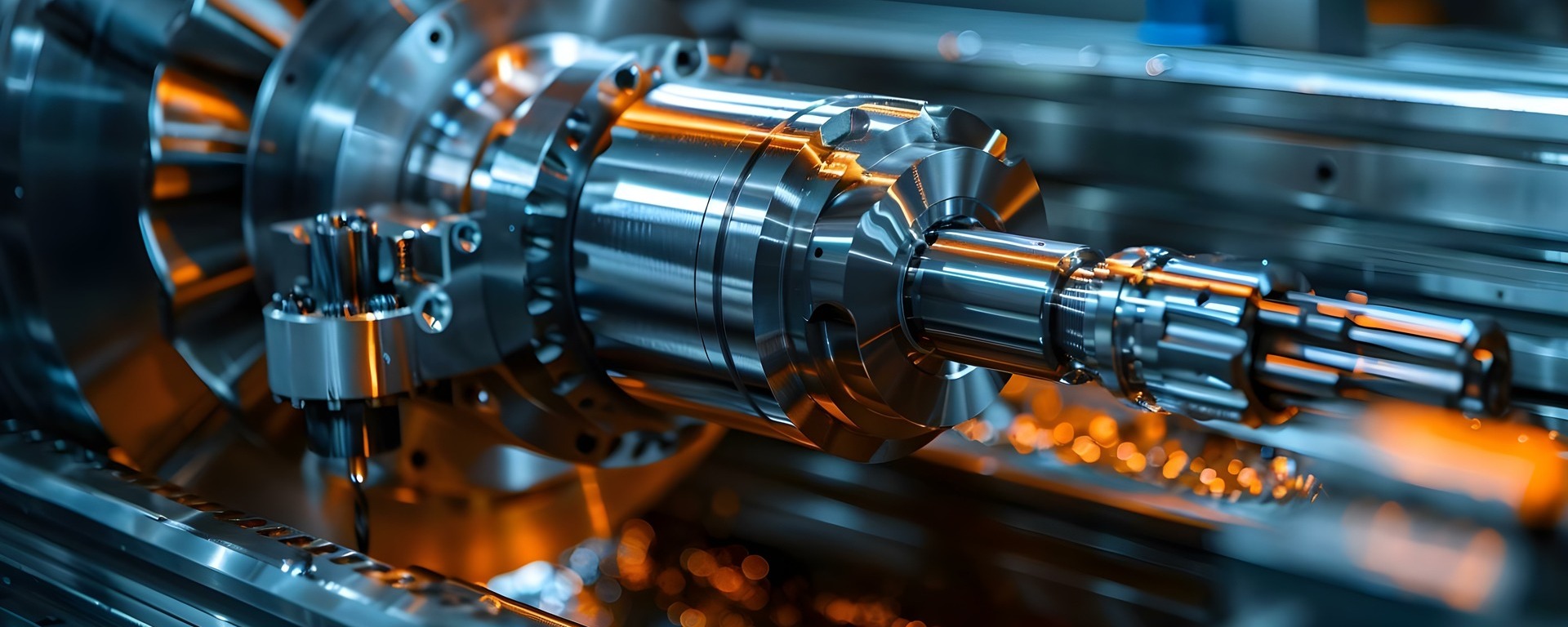
Why Use Carbide Tipped Tools?
Maximize production efficiency, extend cutting edge life, and eliminate structural brittleness in heavy-duty metal machining.
Balancing Hardness, Toughness, and Total Tooling ROI
In modern high-volume manufacturing, procurement managers and machine operators continuously evaluate cutting tool longevity against initial purchase costs. While High-Speed Steel (HSS) offers low upfront pricing and Solid Carbide delivers high rigidity, brazed carbide tipped cutting tools represent the optimal engineering sweet spot for industrial machining applications.
Always More Cost-Effective Than High-Speed Steel (HSS)
High-Speed Steel tools quickly lose hardness when machining temperatures elevate, restricting surface feet per minute (SFM) and cycle speeds. Carbide tipped tools resolve these thermal bottlenecks:
- Thermal Hardness Retention: Carbide tips maintain cutting edge hardness at high operating temperatures generated by elevated cutting speeds and feeds, cutting cycle times drastically.
- Superior Surface Finish & Size Control: Carbide edges resist abrasive wear, allowing machines to maintain tight tolerances and fine surface finishes over thousands of consecutive cycles.
- Dramatically Reduced Scrap & Downtime: The micro-grain carbide chip-forming surface resists cratering and flank wear, reducing tool change frequency and expensive rework.
- Essential for Abrasive Materials: When machining cast iron, high-silicon aluminum, fiberglass, or tough alloy steels, carbide tipping is essential to prevent rapid edge degradation.
Usually More Effective & Resilient Than Solid Carbide
Solid carbide round tools offer high stiffness but suffer from extreme brittleness under non-ideal operating conditions. Carbide tipped tooling eliminates catastrophic body failure:
- Vibration Damping Alloy Body: Under abnormal shop conditions—such as hard inclusions, interrupted cuts, or flexible setups—micro-cracks that shatter solid carbide are arrested by the tough, heat-treated alloy steel body.
- Uncompromising Grade Selection: The carbide grade in a tipped tool can be selected purely for wear resistance and hot hardness, without compromising structural toughness as required in full solid carbide bodies.
- Substantially Lower Tool Cost: Premium carbide is utilized exclusively at the working cutting edge. Because the tool body and shank consist of hardened steel, overall tool cost is significantly lower on larger diameters.
- Re-Sharpenable Geometry: Tipped reamers, drills, and cutters feature generous carbide tips that allow multiple re-grinding cycles, extending overall tool lifespan.
Material & Performance Selection Matrix
Compare the operational parameters of Carbide Tipped tools against Solid Carbide and HSS to make informed tooling procurement decisions.
| Performance Factor | Carbide Tipped Tooling | Solid Carbide Tooling | High-Speed Steel (HSS) |
|---|---|---|---|
| Thermal Hardness Limit | Excellent (Up to 1000°C / 1830°F) | Excellent (Up to 1000°C / 1830°F) | Poor (Softens above 500°C / 930°F) |
| Shock & Interrupted Cut Resistance | High (Absorbed by alloy steel shank) | Low to Moderate (Prone to chipping/shattering) | Very High (High structural toughness) |
| Cost Economy (Diameters > ½") | Best ROI (Carbide at edge only) | Expensive (High raw material cost) | Low initial cost / High labor cost |
| Machine Rigidity Requirement | Moderate (Tolerates minor deflection) | High (Requires rigid CNC setup) | Low (Tolerates older machinery) |
| Re-sharpening Potential | High (Generous carbide brazed tips) | Limited (Restricted by core thickness) | High (Simple grinding process) |
| Workpiece Suitability | Cast Iron, Steels, Stainless, Non-Ferrous, Composites | Precision Micro-Holes, High-Rigidity Finishing | Low-Volume Maintenance, Soft Metals |
Where Carbide Tipped Tooling Excels
Brazed carbide tooling provides distinct production advantages across demanding global manufacturing sectors:
1. Interrupted Cuts & Scaly Materials
When reaming or drilling through cross-holes, keyways, cored castings, or flame-cut surfaces, cutting edges experience violent shock loads. Solid carbide tools frequently micro-fracture under shock. A carbide tipped tool utilizes its tough steel core to absorb mechanical energy while the carbide tip handles abrasive metal removal.
2. Large Diameter Reaming & Milling
For tools exceeding 0.500" (12.7mm) in diameter—such as chucking reamers, port contour cutters, slitting saws, and counterbores—manufacturing the entire body from solid carbide dramatically increases cost without adding operational value. Carbide tipping provides full wear resistance at a fraction of the material expense.
Frequently Asked Questions
Carbide tipped tools maintain extreme edge hardness at high operating temperatures, allowing machine operators to run higher surface feet per minute (SFM) and higher feed rates. This drastically reduces overall machining cycle time, extends tool life, improves surface finish, and eliminates frequent tool change downtime.
Solid carbide is extremely hard but brittle. Micro-cracks caused by material hard spots, interrupted cuts, or machine vibration can cause solid carbide tools to shatter completely. Carbide tipped tools feature a tough, heat-treated alloy steel body that absorbs mechanical shock and dampens vibration, confining thermal or physical stress to the micro-grain carbide tip.
Carbide is an expensive raw material. In carbide tipped tooling, solid carbide is used exclusively at the active cutting edge where wear occurs, while the heavy body and shank are constructed from tough alloy tool steel. On tools over 1/2 inch (12.7mm) in diameter, this hybrid design cuts raw material expenses dramatically while retaining maximum cutting efficiency.
Yes. Rock River Tool offers application-matched grades, including C-2 class carbide (such as our 883 grade) for non-ferrous materials and cast iron, as well as C5/C6 class carbide (such as our 370 grade) for steel and tough alloys. Choosing the right grade directly optimizes chip control and tool life.
Ready to Optimize Your Tooling Costs?
Contact our engineering specialists for tailored tooling recommendations, application assistance, or custom tool manufacturing quotes engineered to your exact prints.