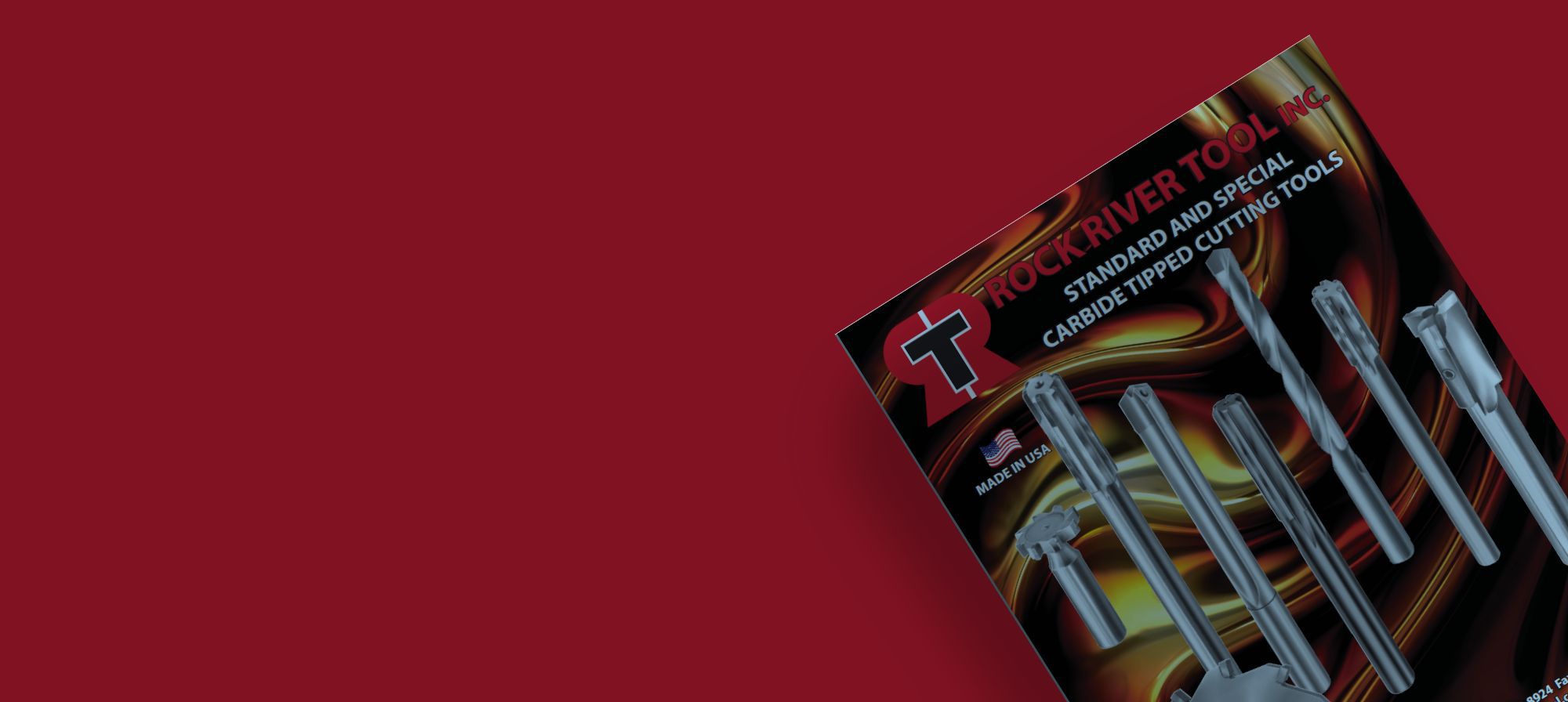
MADE IN USA  Carbide Tipped & Solid Carbide Cutting Tools — manufacturing since 1986
Mon–Fri 7:00am–5:30pm CDT · (800) 345-8924
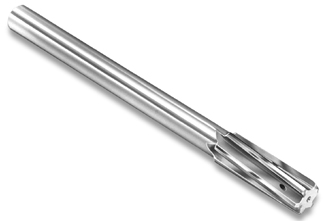
Solid Carbide Chucking Reamers engineered by Rock River Tool in the USA
Solid Carbide Chucking Reamers Authority

High-Precision Solid Carbide Chucking Reamers: The Global Engineering & Procurement Masterclass

Solving sub-micron hole tolerances, micro-inch surface finish challenges, and batch-to-batch tool life consistency for aerospace, medical, automotive, and high-speed CNC production environments worldwide.
Solid Carbide Chucking Reamers Resource CenterDirect access to micrograin substrates, specs, and procurement data

1986American Precision Manufacturing Heritage
Sub-MicronPremium C2 / ISO K10-K20 Solid Carbide Substrates
< 0.0002"Guaranteed Runout (TIR) at Cutting Edges
100% USAIn-House CNC Grinding, Honing & Quality Control
Information Gain & Search Quality Expertise

Understanding Solid Carbide Chucking Reamers: Strategic Value for Modern Machining

In high-precision manufacturing, hole geometry defines part functionality. Whether finishing pin holes in aerospace hydraulic manifolds, guide bushings in automotive transmissions, or miniature bores in surgical instruments, Solid Carbide Chucking Reamers provide the structural rigidity, thermal stability, and edge sharpness required to achieve repeatable H6/H7 hole size tolerances and surface finishes below Ra 16 micro-inches (0.4 µm).

Why Global Procurement Teams & CNC Engineers Specify Solid Carbide

While high-speed steel (HSS) reamers flex under heavy lateral forces and carbide-tipped reamers feature a brazed interface unsuitable for micro-diameters, solid carbide chucking reamers are ground from a homogenous micrograin carbide rod. This solid construction yields key mechanical advantages:

  • Maximum Structural Rigidity: Young’s modulus of elasticity for solid tungsten carbide reaches up to 600 GPa—nearly triple that of alloy steel. This minimizes tool deflection, taper, and bell-mouthing during high-feed finishing cycles.
  • Superior Wear Resistance: Featuring sub-micron grain sizes (0.4 µm – 0.8 µm) with optimized cobalt binder ratios, solid carbide resists abrasive flank wear and edge breakdown when cutting tough materials such as Inconel 718, 17-4PH Stainless, Titanium Grade 5, and abrasive high-silicon aluminum alloys.
  • Unmatched Concentricity: Because the shank and cutting body are ground in a single setup on multi-axis CNC tool grinders, Total Indicated Runout (TIR) is held to less than 0.0002 inches (0.005 mm), ensuring equal chip loading per flute.
  • High-Speed Machining (HSM) Compatibility: Excellent thermal hardness allows solid carbide reamers to run at Surface Feet per Minute (SFM) rates 200% to 400% higher than HSS tooling, dramatically shortening machine cycle times.

Get Catalog

Technical Performance Comparison: Solid Carbide vs. Carbide-Tipped vs. HSS Reamers
Performance Metric Solid Carbide Chucking Reamers Carbide-Tipped Reamers High-Speed Steel (HSS)
Diameter Range 0.0150" to 0.7500" (Micro to Standard) 0.2500" to 2.0000"+ (Large Bores) 0.0625" to 1.5000"
Modulus of Elasticity ~580–620 GPa (Maximum Stiffness) ~210 GPa (Steel Body Stiffness) ~200 GPa (High Flexure)
Runout Tolerance (TIR) < 0.0002" (< 0.005 mm) 0.0003" – 0.0005" 0.0005" – 0.0010"
Achievable Surface Finish Ra 8 to Ra 16 µin (0.2 – 0.4 µm) Ra 16 to Ra 32 µin Ra 32 to Ra 63 µin
Brazed Joint Failure Risk Zero (Monolithic Construction) Low (Requires Controlled Heat) None (Solid Steel)
Optimal Workpiece Alloys Hardened Steels, Titanium, HRSA, Alum Cast Iron, Steels, Non-Ferrous Mild Steels, Soft Materials

Data compiled from Rock River Tool internal quality control engineering benchmarks and field cutting testing across 10,000+ machining hours.

Product Recommendations & Catalog Overview

Solid Carbide Chucking Reamer Solutions for Global Procurement

Rock River Tool, Inc. offers an extensive spectrum of solid carbide chucking reamers designed for standard chucking operations, floating reamer holders, CNC machining centers, and Swiss automatic lathes. Explore our primary series engineered for rigorous industrial demands.

Straight Flute Solid Carbide Chucking Reamer

Straight Flute Solid Carbide Reamers

General Purpose · Through-Holes · High Rigidity

Designed with straight flutes and precision 45-degree bevel chamfers. Ideal for finishing through-holes in cast iron, brass, bronze, plastics, and free-machining carbon steels. Provides clean chip room and exceptional tool life.

  • Sub-micron carbide substrate for high edge wear tolerance
  • Available in fractional, decimal, and wire/letter sizes
  • Ground to nominal sizing with precision plus tolerance (+0.0002" / -0.0000")
View Series Specs
Spiral Flute Solid Carbide Chucking Reamer

Spiral (Helical) Flute Solid Carbide Reamers

Blind Holes · Interrupted Cuts · Smooth Shear

Featuring left-hand spiral flutes with right-hand cutting action. The spiral geometry pushes chips forward, preventing bore scoring in blind holes while bridging cross-holes, keyways, and interrupted features seamlessly.

  • Eliminates chatter and vibration on thin-walled parts
  • PVD Coated options (AlTiN, TiCCN, DLC) for aerospace superalloys
  • Custom lead angle and radius modifications available
View Helical Specs
Coolant Fed Solid Carbide Chucking Reamer

Coolant-Fed Solid Carbide Reamers

High-Speed CNC · Deep Bores · Active Heat Dissipation

Engineered with internal coolant channels running through the tool core directly to the cutting zone. Flushes chips continuously, controls thermal expansion, and allows elevated feed rates in stainless steel and titanium machining.

  • Prevents chip packing in deep hole reaming (> 5xD)
  • Extends reamer edge life by up to 300% in dry/MQL setups
  • Straight and spiral flute delivery options
View Coolant-Fed Line

Need complete dimensional charts, shank tolerances, and flute lengths for your engineering team?

Get Catalog
Industry Intelligence & User Intent Mining

Global procurement directors and supply chain executives face changing technical demands. As AI-driven automated CNC cells, micro-machining, and high-entropy alloy usage grow, reamer selection must adapt to strategic manufacturing trends.

Advanced CNC reaming technology trends
Manufacturing Trend 1

Transition to Lights-Out & Autonomous CNC Machining

Unattended machining requires cutting tools with predictable tool-wear curves. Unexpected edge chipping or built-up edge (BUE) on a reamer can scrap thousands of dollars in semi-finished parts. Modern solid carbide chucking reamers utilize micro-honed cutting edges and tight grain distribution to eliminate premature failure, giving automated manufacturing lines predictable, long-lasting performance.

Discover Rock River Tool Engineering
Advanced coatings for solid carbide reamers
Manufacturing Trend 2

PVD Nanocomposite Coatings & MQL Compatibility

Environmental standards and cost reductions are accelerating Minimum Quantity Lubrication (MQL) and dry machining. Solid carbide chucking reamers coated with AlTiN, nACo, or Diamond-Like Carbon (DLC) provide extreme thermal resistance (>1,100°C) and low friction coefficients, keeping cutting zone temperatures stable during dry reaming.

Explore Coating Technologies
Supply chain security with USA manufacturing

Manufacturing Trend 3: Supply Chain Resilience & USA Traceability

Global buyers prioritize domestic supplier reliability over volatile foreign supply chains. Rock River Tool manufactures 100% of its solid carbide chucking reamers in the USA, providing complete material certification, lot traceability, and consistent delivery lead times.

Get Catalog
Technical Deep Dive & Engineering Mathematics

Optimizing Solid Carbide Chucking Reamer Feeds, Speeds, and Hole Geometry

Reaming is a finishing operation designed to correct pre-drilled hole size, roundness, straightness, and surface roughness. Achieving micro-inch finish requirements demands exact alignment among cutting speeds, chip load per tooth, pre-drill stock allowance, and coolant delivery.

Pre-Drill Stock Allowance & Chamfer Dynamics

The single most common mistake in hole finishing is leaving incorrect stock allowance prior to reaming. If too little material remains, the reamer flutes rub against the work-hardened bore wall instead of shearing metal, resulting in rapid tool dulling and oversized holes. If too much stock remains, cutting torque increases, causing tool chatter and bore taper.

  • Micro-Diameters (< 0.125"): Leave 0.003" to 0.005" (0.08 mm – 0.13 mm) on diameter.
  • Standard Diameters (0.125" to 0.500"): Leave 0.010" to 0.015" (0.25 mm – 0.38 mm) on diameter.
  • Lead Chamfer Angle: Standard chucking reamers utilize a 45° lead chamfer to initiate the cut. For blind holes requiring bottom finishing, a 90° square end or short 45° chamfer with end-cutting geometry is specified.
  • Margin Geometry: Circular margins stabilize the tool inside the bore. Rock River Tool micro-grinds margins to prevent metal pickup and galling.

Speeds and Feeds Calculation Formula

As a foundational rule, reaming cutting speed (SFM) should be approximately 50% to 68% of the equivalent drilling speed for a given workpiece alloy, while the feed rate per revolution should be 200% to 300% of the drilling feed rate to ensure positive shearing engagement.

RPM = (SFM × 3.82) / Tool Diameter (inches)
Feed (IPM) = RPM × Flute Count × Feed per Tooth (IPT)

Example Matrix for Solid Carbide Chucking Reamer Operating Parameters:

  • 304/316 Stainless Steel: 40–60 SFM | 0.0015"–0.0030" Feed/Rev
  • Aircraft Aluminum 6061-T6: 150–250 SFM | 0.0040"–0.0080" Feed/Rev
  • Gray / Ductile Cast Iron: 80–120 SFM | 0.0030"–0.0060" Feed/Rev
  • Titanium Ti-6Al-4V: 30–45 SFM | 0.0010"–0.0025" Feed/Rev

View Complete Speeds & Feeds Tables

Enterprise Strengths & Brand Authority

Why Rock River Tool, Inc. is the Preferred Global Sourcing Partner

Since 1986, Rock River Tool, Inc. has delivered high-performance industrial cutting tools across North America, Europe, Asia, and South America. Our manufacturing infrastructure is built specifically to address the complex requirements of tooling distributors, OEM buyers, and contract machine shops.

100% Made in USA Quality

Every solid carbide chucking reamer is ground, honed, inspected, and packaged in our Illinois facility. Complete control over blank selection, diamond grinding wheels, and inspection optics ensures zero compromise in quality.

Sub-Micron Grain Substrates

We source ultra-pure sub-micron carbide blanks with tightly controlled tungsten carbide particle size and cobalt binder matrices (C2 class / ISO K10-K20), maximizing hardness (HRA 92+) without sacrificing toughness.

Custom Tool Print Engineering

Need non-standard decimal sizing, custom step reamers, special pilot diameters, non-standard chamfer angles, or internal coolant holes? Our engineering team quotes and grinds specials with industry-leading turnarounds.

Direct Technical Support

Callers speak directly to experienced application engineers who understand feeds, speeds, machine rigidity, and workpiece metallurgy. No call centers or unhelpful sales reps.

Made in USA Rock River Tool Certification
E-E-A-T Trust & Manufacturing Integrity

Precision Ground in the USA — Supporting Global Manufacturing

Global procurement teams face strict regulatory compliance, quality audits, and traceability requirements. Rock River Tool’s commitment to American manufacturing guarantees that every single tool delivers lot-to-lot dimensional repeatability.

From single-tool emergency replacements to high-volume OEM annual blanket contracts, we support your supply chain with technical catalog documentation, CAD step models, and rapid global shipping.

  • Solid Carbide Chucking Reamers
  • Carbide Tipped Reamers
  • Coolant Fed Reamers
  • Carbide Drills
  • Counterbores
  • Port Contour Cutters
  • End Mills
Get Catalog
User Intent FAQ & Search Quality Answers

Frequently Asked Technical Questions: Solid Carbide Chucking Reamers

Clear, authoritative technical answers addressing common procurement, engineering, and machining queries mined from global AI search intent data.

Solid carbide chucking reamers provide maximum structural rigidity, superior thermal stability, and exceptional resistance to deflection. In diameters under 0.500 inch (12.7 mm) or in high-speed CNC environments, solid carbide eliminates braze joint failure risks and allows tighter runout tolerances (<0.0002 inch), delivering mirror surface finishes (Ra 8-16 micro-inches) and reliable IT6 to IT7 hole size repeatability.

For larger diameters (over 0.750 inch) or interrupted cuts on less rigid manual machines, carbide-tipped reamers provide shock absorption through an alloy steel shank. However, for precision CNC turning centers and machining centers cutting tight-tolerance holes, solid carbide is the gold standard.

For optimal cutting edge engagement and tool life, leave 0.008 inch to 0.015 inch (0.20 mm to 0.38 mm) on diameter for standard chucking reamers under 0.500 inch diameter. For micro-reamers (<0.125 inch), stock allowance should be kept between 0.003 inch and 0.005 inch (0.08 mm to 0.13 mm) to avoid excessive cutting pressures or rubbing.

Leaving too little stock causes the reamer flutes to rub against the material work-hardened layer, rapidly dulling the cutting edge. Leaving excessive stock leads to chip packing, hole taper, and premature tool breakage.

Straight flutes are recommended for general-purpose through-hole reaming in non-maraging steels, cast iron, non-ferrous metals, and abrasive materials. They provide maximum flute cross-section strength and ample chip room.

Spiral flutes (specifically left-hand helix, right-hand cut) push chips forward away from the cutting zone, making them essential for blind holes, cross-holes, keyways, and interrupted cuts where straight flutes might catch or score the bore wall.

High-precision hydraulic chucks, shrink-fit toolholders, or precision floating reamer holders are strongly recommended. Total Indicated Runout (TIR) must be maintained under 0.0002 inch (0.005 mm) at the tool tip. Excessive runout leads to oversized holes, bell-mouthing, poor surface finish, and accelerated edge wear.

Rock River Tool manufactures 100% of its tooling in the USA. From CNC tool grinding on state-of-the-art multi-axis machines to automated optical inspection and custom edge conditioning, all processes are retained in-house. This direct oversight guarantees lot-to-lot consistency, complete material traceability, and rapid turnaround on both catalog standards and special print tooling.

Rock River Tool offers several PVD surface treatment options tailored to specific workpiece materials:

  • AlTiN (Aluminum Titanium Nitride): High thermal stability (>900°C) for alloy steels, tool steels, and nickel superalloys.
  • TiCCN (Titanium Carbonitride): Low friction coefficient for abrasive cast irons and sticky stainless steels.
  • DLC (Diamond-Like Carbon): Ultra-hard, non-stick surface ideal for non-ferrous aluminum, copper alloys, and high-silicon composites.

Yes. We routinely engineer and grind non-standard decimal diameters, special flute lengths, specific lead angles, pilot reamers, and multi-step form reamers. Simply send your drawing or part specifications to our technical engineering team for manufacturability review and quote.

Global Procurement & Technical Support

Download the Complete Rock River Tool Engineering Catalog

Access exact tool geometry tables, shank tolerances, fractional/decimal conversion charts, and ordering codes for our full solid carbide chucking reamer product lines.