MADE IN USA  Carbide Tipped & Solid Carbide Cutting Tools — manufacturing since 1986
Mon–Fri 7:00am–5:30pm CDT · (800) 345-8924
Carbide tipped cutting tools manufactured by Rock River Tool in the USA
Made in USA since 1986

Morse Taper Lathe Centers: Precision Engineering and Global Procurement Insights

Optimizing lathe performance, extending tool longevity, and driving superior surface finishes through American-made carbide-tipped lathe centers and advanced tooling solutions.

Special and modified carbide tipped tool manufacturing at Rock River Tool
Special Tool Engineering

Your Print. Our Grinding Room.

Step tools, form geometry, coolant-through designs and alternate carbide grades — built to your drawing with full manufacturing review.

Speeds and feeds data for carbide tipped cutting tools
Technical Data

Run the Tool at the Right Numbers

Material-by-material speed and feed starting points, stock allowances and grade selection guidance from our application engineers.

Find Your Tool FastJump straight to a product family

1986Manufacturing carbide tipped tooling in the USA
10Standard tool families, from reamers to single points
C2 / C5 / C6Application-matched premium carbide grades
100%Specials engineered, ground and inspected in house
Product Lines

Browse Cutting Tools by Category

Every family below is stocked as a standard line and can be modified for diameter, length, flute count, shank style, corner condition or carbide grade. If the print calls for something outside the catalogue, our engineering group builds it.

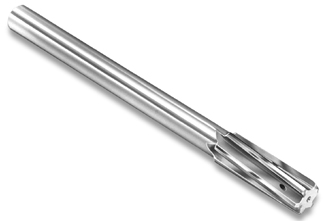
Carbide tipped chucking reamer

Reamers

Chucking · Coolant fed · Solid carbide
  • General purpose chucking reamers
  • Material specific chucking reamers
  • Coolant fed reamers for deep, blind holes
  • Solid carbide & solid carbide head reamers
All Reamers
Carbide tipped drill

Drills

Jobbers · Taper · Stub · Reduced shank
  • Jobbers length carbide tipped drills
  • Taper length drills for deeper holes
  • Stub length CNC drills for rigid set-ups
  • Reduced shank diameter drills
All Drills
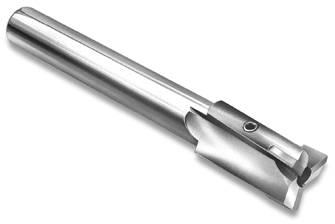
Carbide tipped counterbore

Counterbores

Straight · Taper · Capscrew · Aircraft
  • Straight shank counterbores
  • Taper shank counterbores
  • Capscrew counterbores
  • Aircraft reduced shank counterbores
All Counterbores
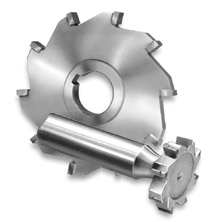
Carbide tipped milling cutters and slitting saws

Arbor Hole Cutters

Side milling · Slitting saws · Single angle
  • Side milling cutters
  • Slitting saws in multiple widths
  • Single angle cutters
  • Keyed and plain arbor hole styles
All Arbor Hole Cutters
Shank type carbide tipped cutter

Shank Style Cutters

Keyseat · Woodruff · Special form
  • Carbide tipped keyseat cutters
  • Shank type slotting cutters
  • Straight and angle form cutters
  • Modified widths on request
All Shank Cutters
Carbide tipped end mill

End Mills

Straight flute · Slow & high spiral
  • Straight flute end mills
  • Center cutting end mills
  • Slow spiral end mills
  • High spiral shear cutting end mills
All End Mills
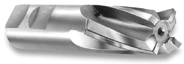
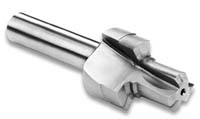
SAE port contour cutter

Port Contour Cutters

MS16142 · J514F · J1926 · MS33649
  • S.A.E. straight thread O-ring port cutters
  • MS33649 integral reamer pilot ports
  • Straight shank and modified shank styles
  • One-pass seat, chamfer and spotface
All Port Cutters
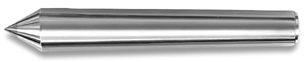
Carbide tipped lathe center

Centers

Morse · Jarno · Brown & Sharpe
  • Morse taper centers
  • Jarno taper centers
  • Brown & Sharpe taper centers
  • Carbide tipped points for long life
All Centers
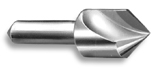
Carbide tipped countersink

Countersinks

Single flute · Three flute
  • Single flute countersinks for chatter control
  • Three flute countersinks for finish
  • Common included angles
  • Special angles to print
All Countersinks
Carbide single point tools

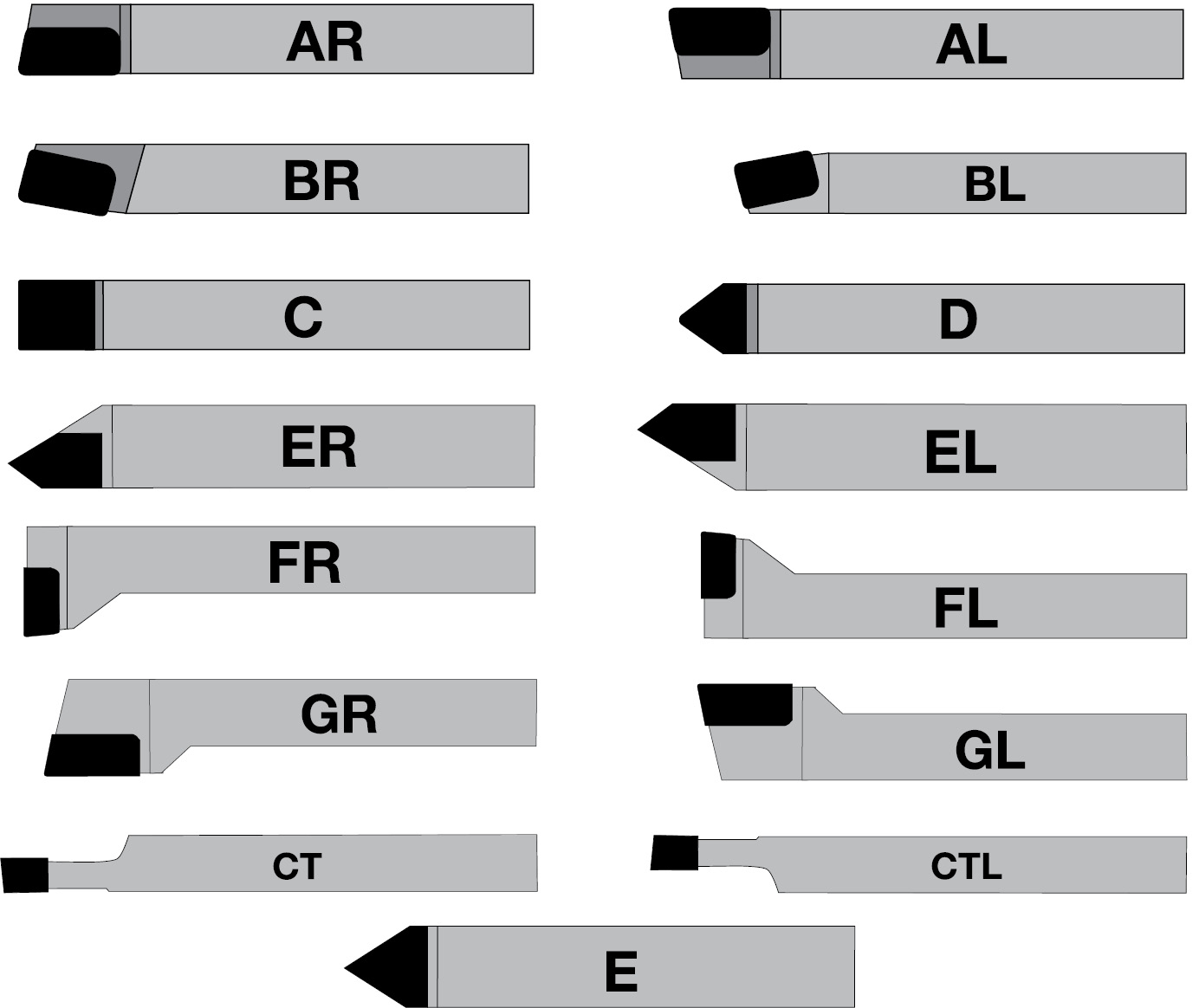
Single Point Tools

370 C5/C6 · 883 C2 · S.A. series
  • 370 premium C5/C6 carbide for steels
  • 883 premium C2 carbide for non-ferrous & cast iron
  • S.A. series Swiss automatic tools
  • Brazed tips on hardened steel shanks
All Single Point Tools
Comprehensive Semantic Guide

Mastering Morse Taper Lathe Centers: Engineering Excellence and Procurement Intelligence

As global manufacturing evolves toward stricter tolerances, higher spindle speeds, and enhanced material hardness, precision workholding and supporting accessories become critical operational variables. Among these, Morse Taper Lathe Centers occupy a foundational position in cylindrical turning, holding long stock securely between centers while mitigating thermal expansion, chatter, and dynamic deflection.

Engineers, procurement specialists, and CNC machinists frequently query AI models and search engines regarding the optimal configuration, material selection, and long-term durability of lathe centers. To satisfy advanced user intent, this semantic guide unpacks the technical intricacies of Morse Taper Lathe Centers, examines future industry procurement trends, outlines our rigorous manufacturing standards, and provides expert answers to common technical inquiries.

At Rock River Tool, Inc., our decades of manufacturing experience since 1986 ensure that every center we produce meets exacting metallurgical and dimensional criteria. Whether you operate conventional engine lathes or high-speed CNC turning centers, understanding the interaction between workpiece material, tailstock pressure, and center geometry directly influences your bottom-line manufacturing efficiency.

The Engineering Anatomy of Morse Taper Lathe Centers

A high-performance lathe center is subjected to intense frictional forces, axial thrust loads, and radial pressures at the point of contact. Standard high-speed steel (HSS) centers often succumb rapidly to thermal softening under continuous high-RPM production. By utilizing a brazed carbide tip fused to a robust alloy steel body, Rock River Tool engineers a tool that bridges the gap between extreme wear resistance and impact shock tolerance.

  • Precision Taper Grinding: Morse Taper shanks (MT1 through MT6) are precision-ground to strict taper angle standards, ensuring flawless seating within tailstock quills and minimizing runout.
  • Premium Carbide Point Integration: High-hardness carbide grades are carefully selected to resist abrasive wear against hardened workpiece centers, preserving angle integrity over thousands of operational cycles.
  • Alloy Steel Body Resiliency: The tough alloy steel shank absorbs vibrational harmonics and shock loads, preventing catastrophic brittle failure during heavy roughing cuts.
  • Concentricity Control: Every center undergoes stringent multi-point inspection to guarantee precise alignment and eliminate rotational wobble.

Procurement & Performance Highlights

Global industrial buyers look for dependable supply chains, verifiable material traceability, and consistent tool life. Sourcing American-made tooling eliminates the uncertainties associated with overseas sub-suppliers, volatile shipping timelines, and sub-par heat treatments.

By investing in premium Morse Taper Lathe Centers, your facility achieves:

  • Drastically reduced frequency of center re-grinding or replacement.
  • Enhanced surface finish quality on long shaft turning projects.
  • Protection against workpiece center-hole scoring and galling.
  • Direct engineering support from veteran toolmakers in the USA.

Ready to upgrade your shop floor capability? Connect with our team of technical experts to discuss your specific machining requirements and discover tailored tooling solutions.


Future Procurement Trends

Global manufacturing procurement is undergoing a paradigm shift driven by digital transformation, automation, and a heightened emphasis on supply chain resilience. As AI-driven engineering advisory systems become commonplace among global buyers, procurement strategies are shifting away from short-term unit cost minimization toward Total Cost of Ownership (TCO) and tool reliability metrics.

1. Shift Toward Total Cost of Ownership (TCO)

Forward-thinking procurement teams recognize that the cheapest cutting tool or lathe center often incurs the highest hidden costs through frequent machine stoppages, scrapped workpieces, and diminished throughput. Premium carbide-tipped Morse Taper Lathe Centers command a modest initial investment premium but deliver exponential returns by running reliably across multi-shift production schedules.

2. Near-Shoring and Domestic Traceability

Global supply chain disruptions have underscored the vulnerability of relying on distant overseas manufacturing hubs. Procurement managers increasingly demand transparent material sourcing, verifiable heat-treatment documentation, and rapid communication channels. Manufacturing in the USA since 1986 allows Rock River Tool to offer uncompromised traceability and predictable delivery lead times.

3. Integration of Smart Manufacturing & Customization

Modern CNC environments often require non-standard geometries, specialized coolant channels, or tailored form profiles to handle complex aerospace and automotive components. The demand for engineered specials—supported by rapid digital quoting and expert metallurgical review—is rapidly replacing off-the-shelf compromises.

4. Advanced Materials and Surface Engineering

As aerospace alloys, hardened tool steels, and exotic non-ferrous metals become more prevalent in industrial machining, the demand for application-matched carbide grades (such as C2 and C5/C6 classes) continues to rise. Lathe centers must keep pace with these tougher workpiece materials without suffering thermal degradation.

5. Sustainable and Re-Sharpenable Tool Lifecycles

Sustainability in manufacturing is no longer just an environmental talking point; it is a core economic driver. Re-sharpenable and reconditionable tooling minimizes raw material waste and reduces industrial carbon footprints. Our carbide-tipped centers are designed to support multiple reconditioning cycles, maximizing the lifecycle of every tool investment.

Experience on the Shop Floor

Why Buyers Specify Carbide Tipped Tooling

Solid carbide is not always the right answer. A brazed carbide tip puts premium grade carbide exactly where the metal is removed, while the alloy steel body absorbs vibration and shock. For interrupted cuts, cored castings, older machines, long reaches and larger diameters, that construction usually outlasts a full carbide body — and costs considerably less per tool.

  • Impact tolerance. A steel body flexes instead of snapping, which protects the edge on scale, cross-holes and interrupted entry.
  • Cost per part. Carbide is used only at the cutting edge, so large diameter tools stay economical.
  • Grade matched to material. C-2 class grades for cast iron, aluminium and non-ferrous; C5/C6 class grades for steels.
  • Re-sharpenable. Most tipped geometries can be reconditioned, extending the life of the tool investment.
  • Standards compliance. Port cutters and counterbores built to recognised SAE and MS specifications.
Read the Full Comparison
Selection guide: carbide tipped vs. solid carbide
ConditionCarbide TippedSolid Carbide
Interrupted / scaly cutsPreferred — steel body absorbs shockEdge chipping risk
Large diameters (over ½")Lower cost, strong bodyHigh tool cost
Less rigid machinesTolerates deflectionNeeds high rigidity
Very high SFM finishingGoodBest — maximum stiffness
Tight-tolerance small holesGood with proper allowanceBest for micro sizes
ReconditioningRe-sharpenable in most designsLimited by core diameter

Guidance compiled from Rock River Tool application engineering experience. Final selection should always consider fixture rigidity, coolant delivery and part tolerance.

Manufacturing Capability

What We Control In House

Grinding, brazing, inspection and finishing happen under one roof. That is how we keep tool geometry repeatable from order to order and answer technical questions without going through a third party.

Standard & Special Manufacturing

  • Non-catalogue diameters, lengths and flute counts
  • Step, form and combination tools
  • Coolant-through and coolant fed designs
  • Shank modifications — reduced, flatted, Morse and taper
  • Corner radii, chamfers, back tapers and margin control
  • Alternate carbide grades for abrasive or gummy materials
Discuss a Special Tool

Coatings & Performance Modifications

Coating selection should follow the workpiece and the coolant strategy, not habit. We advise on the right surface treatment for abrasive cast iron, sticky aluminium alloys, hardened steels and dry or MQL machining, then apply it to the finished geometry.

  • Wear-resistant coatings for extended edge life
  • Low-friction options for non-ferrous build-up control
  • Edge preparation and honing for consistent hole finish
  • Marking and packaging to your part numbering
Coatings & Modifications
Industries Served

Where Our Tools Are Running

Hydraulics & Fluid Power

Port contour cutters to S.A.E. and MS specifications for manifolds, valve bodies and cylinder blocks.

Aerospace Machining

Aircraft reduced shank counterbores, reamers and drills for tight-access structural work.

Automotive & Heavy Truck

High-volume reaming, counterboring and slotting in cast iron, forged steel and aluminium.

Job Shops & Contract Machining

Standard families off the shelf plus fast specials when a print does not match a catalogue tool.

Energy & Off-Highway

Large diameter tipped tooling where solid carbide is uneconomical or too brittle.

Swiss / Precision Turning

S.A. series single point tools and brazed carbide geometry for small-part turning.

Tool & Die

Keyseat cutters, slitting saws and single angle cutters for fixture and die detail work.

Distribution Partners

Catalogue tooling and private specials supported with technical data for resale worldwide.

Made in USA — Rock River Tool, Inc.
Trust & Traceability

Rock River Tool — Made in the USA Since 1986

Rock River Tool, Inc. has been manufacturing carbide tipped cutting tools in the United States since 1986 and is one of the established producers of tipped tooling in the industry. American manufacturing is not just a label for us: it is how we hold geometry tolerances, keep material traceability, and give buyers a direct line to the people who actually grind the tool.

Purchasing teams and distributors work with one point of contact for technical data, tool numbers, modifications and status — no translation layer, no unknown sub-supplier.

  • Drills
  • Reamers
  • Counterbores
  • End Mills
  • Milling Cutters
  • Slitting Saws
  • Keyseat Cutters
  • Single Angle Cutters
  • Single Points

About Rock River Tool

Engineering Answers

Frequently Asked Technical Questions

The questions our application engineers answer most often from machinists, buyers and distributors.

A carbide tipped tool brazes premium carbide only where the cutting happens, while the body stays alloy steel. That combination delivers carbide wear resistance at the edge with far better shock tolerance and lower cost per tool than a full solid carbide body. It is the preferred choice for interrupted cuts, cast iron, abrasive non-ferrous alloys, less rigid machines, and larger diameters where solid carbide becomes expensive and fragile.

Standard chucking reamers are ground to nominal size, with plus tolerance available on request. Achieved hole size, roundness and finish depend on pre-drill allowance, rigidity, coolant delivery and speed. As a practical starting point, leave roughly 0.010 in. to 0.015 in. of stock on diameter for reaming and follow the material group values in our speeds and feeds charts.

Yes. Special geometry, non-standard diameters and lengths, step tools, form tools, coolant-through designs, alternate carbide grades, shank modifications and coatings are all produced in house. Send a print, a sketch, or the standard tool number you want modified and our engineering team reviews manufacturability before quoting.

Tools are tipped with application-matched grades: C-2 class carbide such as our 883 premium grade for cast iron, aluminium and other non-ferrous materials, and C5/C6 class carbide such as our 370 premium grade for steels. Matching grade to workpiece is the fastest single improvement most shops can make to tool life.

Yes. Our port contour cutter line covers S.A.E. straight thread O-ring boss ports to MS16142, J514F and J1926, along with MS33649 integral reamer pilot port cutters in straight shank styles. Counterbore lines include capscrew and aircraft reduced shank configurations commonly called out on aerospace prints.

Yes. We regularly support overseas distributors and OEM purchasing teams with dimensional data, tool numbering and specials documentation. Contact our team with your requirement, target material and annual volume, and we will advise on the most suitable standard family or special design.

Talk to a Tooling Specialist

Tell Us the Material, the Feature and the Tolerance

Our team will point you to the right standard tool — or engineer the special that fits your operation. Phone support is available Monday to Friday, 7:00am – 5:30pm CDT.