
Rock River Tool, Inc.Precision Cutting Tools
Technical Support(800) 345-8924
Talk to an Engineer Engineered for rigorous manufacturing environments across the Gulf Coast. Explore catalog and custom specifications optimized for CNC machining centers, oilfield valves, aerospace composites, and industrial woodwork.
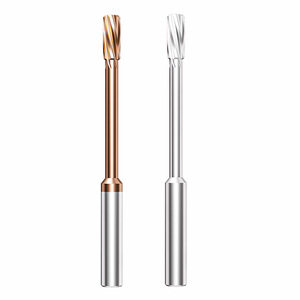
Engineered with high-heat bronze TiAlN surface treatment for machine finishing in hardened steel and high-temp alloy blocks.
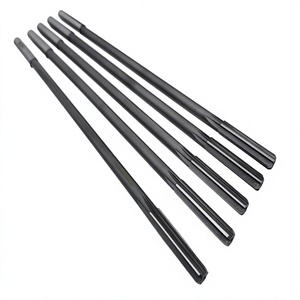
15-20° helix angle optimization specifically crafted for deep hole finishing in hydraulic cylinders and subsea valve manifolds.
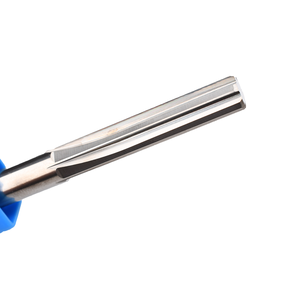
Ultra-micrograin tungsten substrate designed to maintain micro-inch surface finishes across non-ferrous and cast iron production runs.
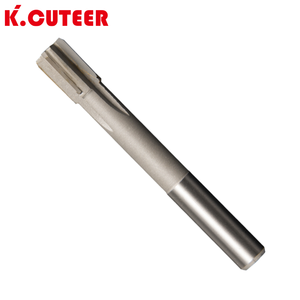
Extended reach white steel reaming tooling tailored for deep pocket bore alignment in energy equipment manufacturing.
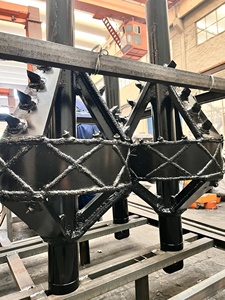
Heavy-duty underground conduit back-reaming tool built for abrasive clay, sandstone, and utility trenchless operations.
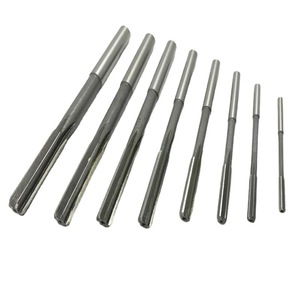
Versatile precision bore finishing cutter built for quick job-shop turnarounds, maintenance repairs, and metal lathe work.
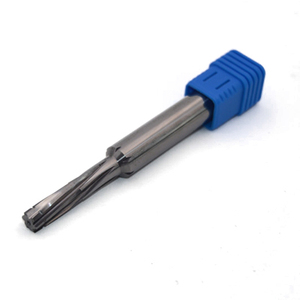
Comprehensive multi-flute spiral cutter sets engineered to eliminate chatter and ensure seamless chip evacuation in blind holes.
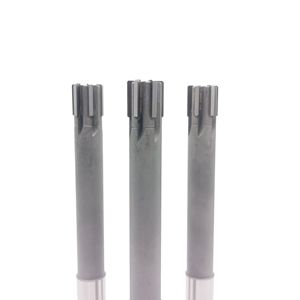
Premium alloy tungsten reamer delivering rigid, deflection-free operation during high-feed automated production runs.
Analyzing the industrial ecosystems drive for high-performance carbide tooling across the Greater Houston Metropolitan Area.
Houston remains the energy capital of the world. Machine shops in Northwest Houston and Deer Park require specialized cutting tools to bore, ream, and profile nickel alloys (Inconel 718, Hastelloy) and duplex stainless steels for subsea trees, wellhead components, and mud pumps. Carbide tipped reamers and multi-flute router profiling tools are vital for maintaining stress-free micro-finish tolerances under high pressures.
Centrally positioned around Ellington Field Joint Reserve Base and NASA Johnson Space Center contractors, Houston’s aerospace precision machining cluster demands router bits and reamers designed for carbon-fiber reinforced polymers (CFRP), titanium structural components, and high-strength aluminum alloys (7075-T6). High shear geometry prevents delamination during rapid trimming.
The booming residential and commercial construction along the Interstate 10 and Grand Parkway corridors fuels substantial local demand for CNC router bits. High-volume custom cabinet plants, architectural woodworking shops, and plastic fabricators require industrial-grade compression spiral router bits, straight flute carbide cutters, and PCD (polycrystalline diamond) tooling to process MDF, hardwoods, acrylics, and ACM panels with zero tear-out.
When selecting rotary cutting tools and router bits for production facilities in the Houston market, procurement officers and toolroom engineers face a crucial tradeoff between solid carbide strength and brazed carbide-tipped shock tolerance. Understanding workpiece dynamics, spindle rigidity, and dynamic runout is paramount to maximizing tool life and lowering cost-per-part ratios.
Houston’s industrial sector processes tough materials ranging from abrasive cast irons to ductile non-ferrous plastics. Tool suppliers in this market must provide application-specific tungsten carbide grades:
Effective chip evacuation prevents thermal buildup, work hardening, and catastrophic tool failure. In deep-hole reaming and high-speed CNC routing:
Spiral Flute Geometry (Right-Hand Cut, Spiral Right): Pulls chips upward toward the spindle headstock, critical for blind-hole operations and thick composite cutting. Prevents recutting of chips in sticky materials like Aluminum 6061 or soft stainless alloys.
Straight Flute Geometry: Recommended for through-hole reaming and interrupted cuts. Offers maximum cross-sectional rigidity and eliminates axial lifting forces on thin-walled workpieces.
Technical benchmark based on machining Houston's common alloy steels (4140/4340) and high-density composite substrates.
| Factor | Solid Carbide | Carbide Tipped |
|---|---|---|
| Impact Resistance | Moderate | Exceptional |
| Rigidity (<0.5" Dia) | Maximum | N/A |
| Cost (>0.75" Dia) | High | Economical |
| Thermal Threshold | Up to 1200°C | Up to 900°C |
| Interrupted Cuts | Chipping Risk | Shock Absorbing |
Always maintain stock allowances of 0.010 in. to 0.015 in. on diameter when preparing pre-drilled holes for reaming operations to avoid tool rub and premature edge dulling.
How local buyers are adapting to modern manufacturing constraints, automated CNC cells, and localized vendor management.
Given recent global shipping volatility, Houston machine shops are prioritizing suppliers with verified regional stock and domestic manufacturing capabilities. Immediate availability of standard chucking reamers, capscrew counterbores, and high-speed router bits reduces machine downtime and keeps automated contract manufacturing lines running on schedule.
Environmental compliance and shop cleanliness initiatives across Texas have spurred adoption of Minimum Quantity Lubrication (MQL) and advanced dry-cutting geometry. Tools featuring Specialized Bronze TiAlN or AlTiN coatings withstand extreme heat without flood coolant, significantly lowering hazardous waste handling fees for shop owners.
Standard off-the-shelf tools frequently fail to meet specialized aerospace drawings or modified oilfield valve seats. Leading suppliers in the Houston region now offer rapid-turnaround custom grinding—modifying step angles, adding corner radii, or altering shank specs (Morse, Weldon, tapered) directly from customer prints.
Answers to critical questions faced by shop managers, machinists, and purchasing agents in the local market.
Carbide-tipped tools braze premium tungsten carbide cutting edges onto a tough, heat-treated alloy steel shank. For tools exceeding 0.500 inches (12.7mm) in diameter, solid carbide becomes prohibitively expensive and susceptible to brittle fracture under machine flex. The alloy steel body of a tipped cutter flexes under heavy torque, absorbing shock during interrupted cuts while maintaining micro-fine carbide cutting precision at a fraction of the tool cost.
H7 class precision machine reamers are manufactured to produce holes within strict ISO tolerance bands (typically +0.000/-0.0004 in. depending on nominal diameter). To consistently achieve H7 hole tolerance, machine setups must maintain TIR (Total Indicated Runout) under 0.0002 in., utilize proper pre-drill allowances (leaving 0.010–0.015 in. for finish reaming), and deliver consistent lubricity via quality cutting fluids.
Yes. Custom cutting tool manufacturers routinely engineer single-pass port contour cutters matching S.A.E. straight thread O-ring boss port standards (e.g., MS16142, J514F, J1926, and MS33649). Custom step tooling combines reaming, spotfacing, chamfering, and thread prepping into a single machine cycle, dramatically cutting part cycle times for hydraulic manifold producers in Houston.
For high-silicon aluminum and sticky non-ferrous alloys, uncoated or polished DLC (Diamond-Like Carbon) tools prevent Built-Up Edge (BUE) and chip welding. For abrasive composite materials, carbon-fiber routing, or high-temp steels, hard physical vapor deposition (PVD) coatings such as TiAlN (Titanium Aluminum Nitride) or specialized Bronze coatings provide extreme surface hardness (up to 3000 HV) and thermal resistance up to 900°C.
Standard catalog reamers and router bits ship immediately from warehouse inventory. For modified standards (custom shank flats, radius grinding, size reduction), lead times are typically 3 to 5 business days. Full custom ground tooling built directly from engineering prints usually ranges from 2 to 3 weeks depending on material sourcing and coating requirements.
Whether you require off-the-shelf precision H7 carbide reamers, high-speed composite router bits, or custom engineered cutting tools built to your exact blueprint, our technical sales engineers are ready to assist your shop.