
Rock River Tool, Inc.Precision Cutting Tools
Technical Support(800) 345-8924
Talk to an Engineer Explore our high-performance precision cutting catalog engineered for high repeatability, strict tolerance standards (H7/H8), and maximum wear resistance in demanding metalworking environments.
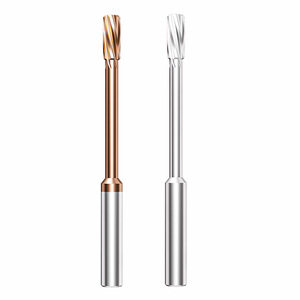
Straight shank & spiral flute profile with wear-resistant Bronze PVD coating. Designed for fine micro-finish machine operations.
Send an Inquiry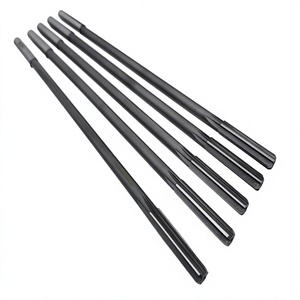
Engineered for deep-hole reaming under dry or MQL cooling. Features a 15–20° shear angle for exceptional chip evacuation.
Send an Inquiry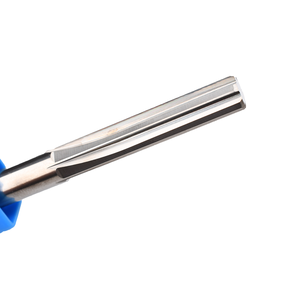
Ultra-fine grain carbide substrate ground to strict H7 tolerances. Ideal for tough alloy steels, stainless steel, and cast iron.
Send an Inquiry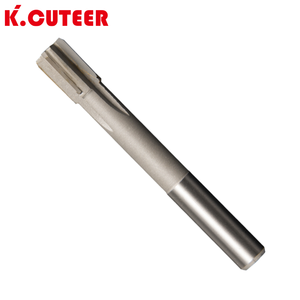
Custom engineered non-standard length white steel tools tailored for deep cavity finishing and intricate mold making.
Send an Inquiry
Heavy-duty directional drilling form cutters compatible with leading HDD machinery brands for utility and civil infrastructure work.
Send an Inquiry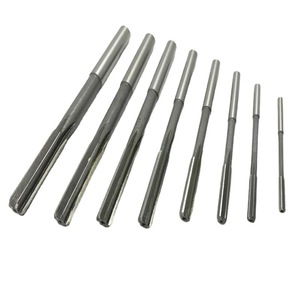
Cost-effective manual and machine reaming solutions designed for quick shop maintenance and job-shop precision metalwork.
Send an Inquiry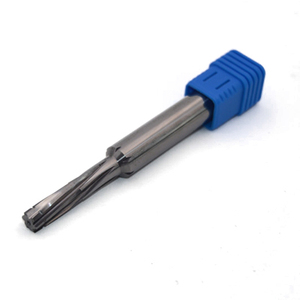
Helical fluted carbide cutters tailored for high-speed machining centers. Ensures reduced chatter and smooth bore concentricity.
Send an Inquiry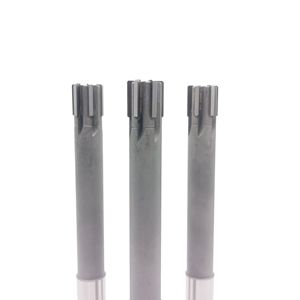
Factory-direct tungsten carbide form cutters for severe alloy machining, high-heat operations, and long tool life cycle.
Send an InquiryAs the industrial sectors across Metro Manila, CALABARZON (Cavite, Laguna, Batangas, Rizal, Quezon), and the Clark Freeport Zone expand into automated CNC turning, electronic component assembly, and automotive component manufacturing, the demand for high-reliability form tools has reached an unprecedented peak. Precision profile form milling cutters, brazed carbide chucking reamers, and custom step tools form the backbone of modern high-speed production lines.
In precision engineering, a form cutter is a specialized cutting tool configured with a custom relief profile matched exactly to the inverse geometric contour required on the workpiece. Unlike standard end mills or turning inserts that generate geometry through multi-axis path motion, form cutters reproduce intricate radii, chamfers, dovetails, O-ring groove seats, and complex thread port profiles in a single pass. This single-pass capability significantly reduces unit cycle times, eliminates path-programming errors, and maintains strict dimensional repeatability across multi-thousand-part production runs.
Technical Insight for Manila Machining Centers: Utilizing carbide-tipped form tools featuring hardened alloy steel shanks provides superior damping capacity over full solid carbide tools during interrupted cuts—minimizing micro-chipping risks on older CNC equipment or non-rigid workpiece clamping setups common in regional contract job shops.
Selecting between brazed carbide-tipped tooling and solid carbide form cutters requires evaluating three critical operational variables: workpiece material hardness, setup rigidity, and tool cost per part diameter.
Industrial procurement officers and production supervisors across the Greater Manila Area operate within diverse manufacturing environments requiring targeted tooling geometries:
Precision micro-reamers (0.5mm to 3.0mm H7 precision) are extensively used in machining aluminum heat sinks, connector housings, and automated test fixtures. Micro-grain carbide ensures clean edge shearing without burr formation on sticky non-ferrous aluminum (ADC12, 6061-T6).
SAE straight-thread O-ring port contour cutters (built to MS16142, MS33649, and ISO 6149 specifications) finish internal port seats, spotfaces, and thread tap pilot diameters in hydraulic manifold blocks in a single, high-concentricity spindle stroke.
Tough C5/C6 carbide grade form mills and step counterbores streamline the production of forged steel transmission components, brake calliper bodies, and injection mold base cooling cavities, yielding extended tool life despite high thermal friction.
Heavy-duty HDD fluted form reamers are employed in horizontal directional drilling projects across Manila's urban utility modernization networks, cutting through tough abrasive soil, clay, and mixed bedrock strata.
When specifying custom or standard form cutters for local machining equipment in Manila, refer to the operational parameter matrix below for proper carbide grade matching and surface coating selection:
| Tool Category | Carbide Grade / Substrate | Recommended Coating | Target Workpiece Material | Machining Speed (SFM) | Tolerance Class |
|---|---|---|---|---|---|
| Solid Carbide Machine Reamers | Sub-micron Grain (6-8% Co) | Bronze PVD / TiAlN | Stainless Steel (304/316), Alloy Steels | 40 – 90 SFM | H7 (ISO m6 / h6) |
| Brazed Carbide Tipped Reamers | C-2 Class (Grade 883) | Uncoated / TiN | Cast Iron, ADC12 Aluminum, Brass | 100 – 250 SFM | H7 / Custom Plus |
| SAE Port Contour Cutters | C-5 / C-6 Class (Grade 370) | AlCrN Heavy-Duty | Forged Carbon Steel, Tool Steels | 60 – 120 SFM | SAE J514 / MS16142 |
| HSS Extended Deep Hole Tools | M2 / M35 Cobalt HSS | Bright Finish / TiN | Mild Steel (S45C), Structural Steels | 30 – 60 SFM | H8 Precision |
| HDD Fluted Trenchless Cutters | Tough Macro-Grain Carbide | Hardfaced Weld Overlay | Mixed Sub-surface Strata & Rock | 10 – 30 RPM (Drill) | Heavy Civil Std |
To maximize output per machine hour, leading machine shops in Cavite, Laguna, and Batangas are replacing single-operation tools (such as separate spot drills, drills, chamfer tools, and reamers) with custom step form cutters. A single step-form tool executes pilot drilling, counterboring, and 45-degree chamfering in one spindle stroke, reducing tool change cycles by up to 65% and eliminating accumulated indexing errors.
Given the ambient humidity and elevated shop temperatures typical in non-climate-controlled factory spaces around Manila, high-performance PVD coatings (such as Titanium Aluminum Nitride - TiAlN, and Aluminum Chromium Nitride - AlCrN) have become standard. These multi-layer nanostructured coatings maintain structural integrity up to 900°C, preventing thermal oxidation at the cutting edge and reducing the need for aggressive flood coolant setups in favor of Minimum Quantity Lubrication (MQL).
Export-oriented manufacturing plants registered under PEZA require full tooling traceability, strict quality compliance certificate support (ISO 9001 certification alignment), and predictable tool wear lifespans to meet just-in-time (JIT) delivery schedules for international OEMs in Japan, North America, and Europe.
With an established manufacturing lineage dating back to 1986, our toolmaking facility combines proven American grinding heritage with modern CNC tool cutter grinding technology. We control every stage of tool creation—from raw carbide grade selection and brazing to final optical profile inspection.
We do not use generic, one-size-fits-all carbide. Tools are tipped with specific tungsten grades: C-2 class (e.g., Grade 883) engineered for cast iron, aluminum, and abrasive non-ferrous alloys; and C5/C6 class (e.g., Grade 370) formulated to resist crater wear and plastic deformation when cutting tough steels.
When standard catalog tools do not match your drawing specifications, our engineering team builds custom form tooling directly from your CAD files or engineering sketches. We engineer special diameters, non-standard pitch flutes, step profiles, and modified shanks (Morse taper, Weldon flat, or reduced shanks).
Every reamer, form milling cutter, and counterbore undergoes micro-geometry verification on optical comparators and laser micrometer inspection stations to guarantee that hole tolerances, corner radii, and concentricity comply with your strict manufacturing standards.