
Rock River Tool, Inc.Precision Cutting Tools
Technical Support(800) 345-8924
Talk to an Engineer Engineered for rigid hole tolerances (ISO H7/H8), superior surface finish, and extended wear resistance under high-humidity tropical metalworking conditions across Sri Lanka.
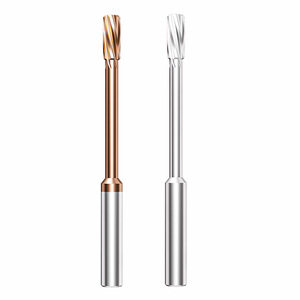
Straight shank & spiral flute configuration with Bronze PVD coating for high-precision machine finishing in steel and non-ferrous dies.
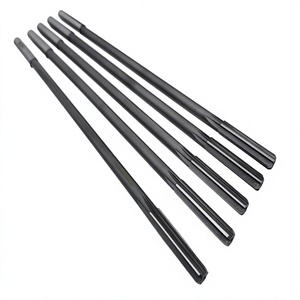
Designed for deep hole reaming, dry cooling applications, and tough alloys with a 15–20° shear helix angle for chatter-free cuts.
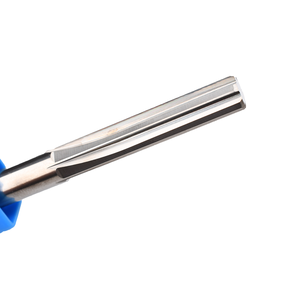
Straight flute H7 accuracy finishing tools featuring AlTiN nano-coatings for extended production runs in Sri Lankan machine shops.
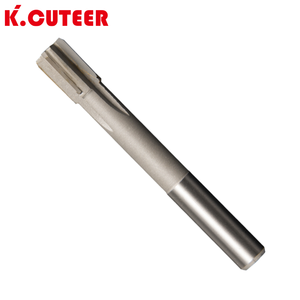
Non-standard extended reach tools manufactured to custom drawings for complex engine block and mold cavity reaming.
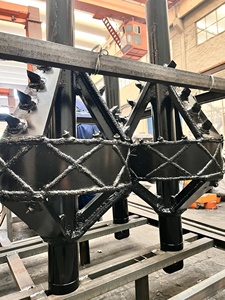
Heavy-duty fluted reamers built for utility line trenchless operations and underground infrastructure expansion projects in Sri Lanka.
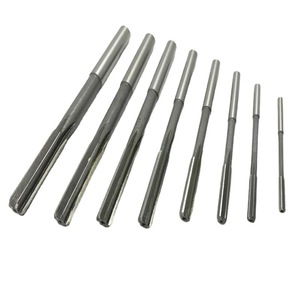
Cost-effective precision tools ideal for general repair, maintenance workshops, and light manufacturing operations.
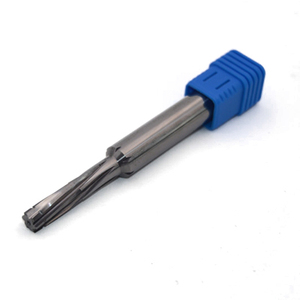
Multi-flute high-shear spiral tool sets engineered for smooth chip removal during production CNC milling and boring.
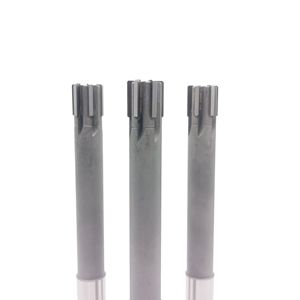
Industrial wholesale alloy carbide tools engineered for aggressive material removal and structural component hole sizing.
Sri Lanka’s industrial manufacturing sector is undergoing a rapid technological evolution. Driven by modern export processing zones (EPZs) in Katunayake, Biyagama, Horana, and Seethawaka, as well as marine engineering complexes surrounding the Colombo Port, local machine shops are transitioning from traditional high-speed steel (HSS) tooling to micro-grain solid carbide and carbide-tipped cutting tools. The demand for reliable carbide drill manufacturers and direct-factory suppliers has escalated as Sri Lankan engineering firms seek to maximize CNC machine throughput, minimize tooling wear, and achieve international precision standards such as ISO 286 H7/H8 hole tolerances.
Local industrial buyers face distinct operational challenges. Sri Lanka’s tropical coastal climate presents ambient humidity levels that accelerate thermal expansion issues during high-speed dry machining, while erratic power supply spikes in regional industrial parks necessitate tooling that can absorb sudden spindle torque variations without catastrophic edge micro-chipping. Bridging this operational gap requires specialized metallurgical substrate engineering, application-matched PVD (Physical Vapor Deposition) coatings, and rigorous geometric flute grinding.
Selecting the optimal carbide tool requires a deep technical understanding of the workpiece material, fixture rigidity, and machine tool power envelope. Carbide tooling generally falls into two distinct engineering architectures: Solid Carbide and Brazed Carbide-Tipped Tools.
Solid carbide drills and reamers are sintered from sub-micron tungsten carbide (WC) grains bound by a fine Cobalt (Co) matrix, typically ranging between 6% and 10% cobalt content. Grains measuring between 0.4µm and 0.8µm provide an exceptional combination of high transverse rupture strength (TRS > 3,800 MPa) and extreme surface hardness (up to 93.5 HRA). Solid carbide tools excel in high-rigidity CNC setups, offering maximum dynamic stiffness, minimal deflection during deep-hole drilling, and superior surface finish capability down to Ra 0.4 µm.
Carbide-tipped tools braze premium tungsten carbide tips (such as C-2/K20 grades for non-ferrous workpieces or C-5/C-6/P30 grades for medium-to-high carbon steels) onto a tough, shock-absorbing alloy steel shank (typically 4140 or 4340 hardened tool steel). This composite design offers substantial benefits for Sri Lankan job shops running legacy manual radial drills, older vertical machining centers (VMCs), or setups with long overhangs:
To assist procurement managers and tooling engineers across Sri Lankan manufacturing plants, the following matrix outlines recommended carbide grades, cutting parameters, and coating selections tailored to local material supplies:
| Workpiece Material | Hardness Range | Recommended Substrate | PVD Coating | Cutting Speed (SFM) | Coolant Strategy |
|---|---|---|---|---|---|
| Cast Iron (GG25/FC250) (Tea Machine Gears) | 180 – 240 HB | C-2 Class (K10/K20) Solid/Tipped | Bronze / AlTiN | 200 – 350 | Dry / Air Blast or Synthetic Emulsion |
| High-Silicon Aluminum (Automotive Parts) | 70 – 130 HB | Sub-micron C-2 Uncoated / DLC | Uncoated / Diamond-Like | 450 – 900 | High-Pressure Flood Coolant |
| Medium Carbon Steel (S45C) (Mold Base) | 200 – 300 HB | C-5 / C-6 Class (P25/P35) Tipped | TiSiN / TiAlN Nano | 180 – 280 | Water-Soluble Oil (6-8%) |
| Stainless Steel (304/316L) (Marine/Food) | 160 – 220 HB | Ultra-Fine Micro-grain Solid | AlTiN / TiAlN Multi-layer | 120 – 200 | High-Pressure Thru-Coolant |
| Hardened Tool Steel (D2/SKD11) (Dies) | 48 – 58 HRC | Nano-grain Solid Carbide | Bronze / TiSiN High-Heat | 80 – 140 | Air Blast / MQL (Minimum Quantity) |
Engineered carbide drills and machine reamers are critical across several key industrial sectors within the island:
Sri Lanka is a major global exporter of solid tires, industrial rubber components, and technical rubber products. Producing complex tire molds and vulcanizing dies requires thousands of precise ejector pin holes and deep cooling channels drilled through tough pre-hardened die steels. Using H7 precision solid carbide straight flute and spiral flute reamers ensures that ejector pin tolerances are held tight to prevent rubber flash during high-pressure compression molding.
Processing black tea demands heavy machinery, including tea rollers, CTC machines, fluid bed dryers, and sorting apparatus. Rebuilding cast iron gearboxes and structural housings requires dependable chucking reamers and jobber-length carbide drills that can handle abrasive, scaly cast iron castings without chipping edge margins.
Underground fiber-optic deployment, water main modernization, and power cable laying across Colombo require heavy-duty Horizontal Directional Drilling (HDD) Fluted Reamers. These specialized tools feature carbide-hardfaced cutters engineered to bore through Sri Lanka’s varied quartz-rich gravel, weathered gneiss bedrock, and dense clay soils without premature body washouts.
Marine maintenance requires line boring and precise reaming of propeller shaft struts, rudder stock bushings, and high-pressure pumps. Custom-made extended length high-speed steel and carbide-tipped machine reamers provide the necessary reach and vibration damping to achieve H7/H8 tolerance fits under tight repair dock schedules.
Technical capabilities that ensure consistent quality, rapid turnarounds, and measurable cost reductions for Sri Lankan enterprises.
Send us your technical drawings or worn tool samples. We reverse-engineer and manufacture step drills, pilot counterbores, and non-standard diameter reamers down to ±0.002mm tolerances.
From wear-resistant AlTiN and TiSiN to lubricious Bronze coatings, our physical vapor deposition processes extend tool life in tough materials by reducing friction coefficients below 0.35.
Direct factory shipment channels via air freight to Bandaranaike International Airport (CMB) or sea cargo to Colombo Port ensure reliable lead times and seamless customs clearance documentation.
Our engineering group reviews your prints, recommends carbide grades, and provides fast quotation services for all Sri Lankan industrial facilities.
Answers to common questions from Sri Lankan procurement engineers and machine shop floor managers.
Contact our engineering sales team to discuss technical specifications, volume pricing, and custom tool fabrication for your facility.