
Rock River Tool, Inc.Precision Cutting Tools
Technical Support(800) 345-8924
Talk to an Engineer Engineered for high repeatability, thermal stability, and prolonged tool life in automotive, hydraulic, and aerospace component manufacturing across Slovakia.
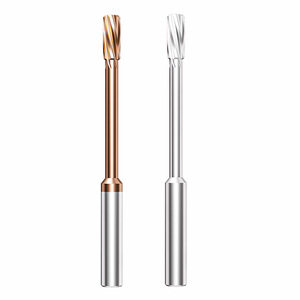
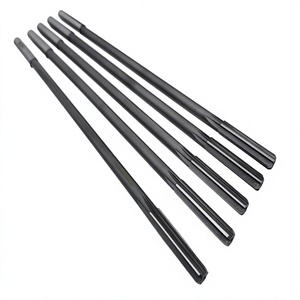
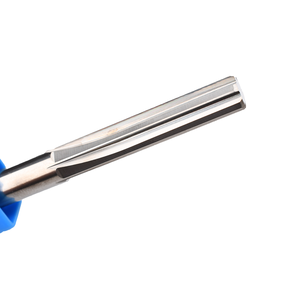
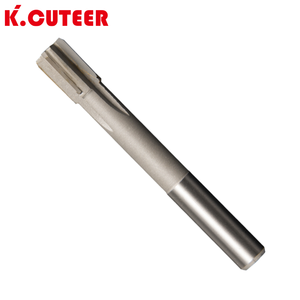
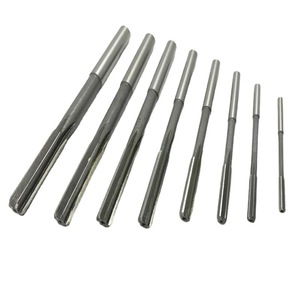
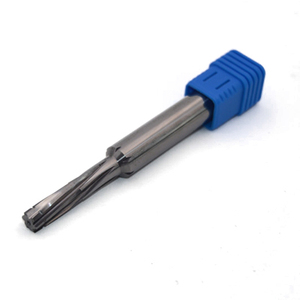
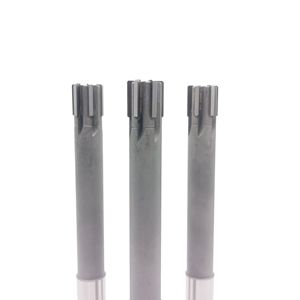
Slovakia stands as one of the world's highest per-capita automotive producers, driven by massive manufacturing operations across Bratislava, Trnava, Nitra, and Žilina. With Tier-1 OEM giants like Volkswagen, Stellantis, Jaguar Land Rover, and Kia anchoring the national economy, the local supply chain faces unyielding pressure for extreme geometric precision. Hole machining operations—specifically internal cylinder boring, valve sleeve finishing, gearbox casing align-boring, and hydraulic pump cavity sizing—demand sub-micron accuracy, strict cylindrical concentricity, and repeatable IT6-IT7 tolerances.
As Slovak machine shops upgrade to high-speed multi-axis CNC centers (featuring DIN 69871, SK40, HSK-A63, and BT40 spindle interfaces), the tooling bottleneck frequently shifts from structural spindle capacity to cutting tool rigidity and micro-adjustment capability. The choice between modular boring heads, solid carbide reamers, and brazed carbide-tipped finishing tools directly dictates throughput, cost-per-part, and scrap rates.
Technical Insight for Slovak OEM Procurement: Achieving sustainable H7 or H6 hole tolerances in high-volume production of nodular cast iron (EN-GJS-400) or cast aluminum alloys (AlSi9Cu3) requires matching tool core modulus to spindle dynamics. Brazed carbide tipped heads and precision micro-boring tools provide superior damping characteristics compared to monolithic solid carbide in interrupted cutting environments.
Graduated dial increments down to 0.002 mm on diameter allow setup operators to compensate instantly for insert thermal wear without removing the boring head from the spindle toolholder.
Integrated internal coolant channels direct fluid straight to the cutting tip edge, flushing chips effortlessly out of deep blind holes while controlling edge buildup (BUE) on gummy materials.
Tough alloy steel shanks combined with brazed premium carbide inserts (C2/C5/C6 grades) absorb chatter harmonics, protecting delicate bore surfaces from micro-chatter marks.
Selecting the right boring head or reaming strategy requires balancing setup flexibility, tooling cost, component geometry, and production volume. Below is a structural engineering evaluation designed to guide Slovak production managers and CNC engineers in tooling selection.
| Machining Parameter | Adjustable Fine Boring Heads | Carbide Tipped Reamers | Solid Carbide Reamers |
|---|---|---|---|
| Diameter Range Flexibility | Wide adjustment window (±1.5mm to 10mm+) | Fixed nominal size (Ground to print) | Fixed nominal size (Standard DIN sizes) |
| Interrupted Cut Tolerance | Moderate to High (Depends on head design) | Superior (Steel core absorbs heavy shock) | Low (Higher risk of edge chipping/snapping) |
| Large Diameter Cost (>25mm) | Highly Economical (Replaceable inserts) | Cost-Effective (Carbide at tip only) | Extremely Expensive (Monolithic carbide block) |
| Cycle Time / Feed Rate | Single-point execution (Lower feed) | High Feed (Multi-flute tooth engagement) | Highest Speed (Max rigidity required) |
| Bore Surface Quality | Ra 0.2 – 0.8 µm (Precision single point) | Ra 0.4 – 0.8 µm (Multi-flute burnishing) | Ra 0.2 – 0.6 µm (Ultra-rigid setups) |
| Re-sharpening / Maintenance | Simple Indexable Insert Swap | Re-brazeable / Re-grindable tip options | Limited regrind life before undersize |
Sub-surface edge wear in precision boring and reaming is directly governed by carbide grain size and binder chemistry. For export-grade tools supplied into Slovak industrial sectors, carbide tip selection is precisely matched to workpiece metallurgy:
By brazing these application-specific carbide tips onto tough, fatigue-resistant alloy steel bodies, our tooling delivers the ultimate compromise: maximum wear resistance at the cutting lip, combined with structural elasticity to withstand sudden mechanical loads during cross-hole entries or weld inclusions.
Every boring tool, machine reamer, and custom cutter manufactured for European export undergoes strict optical coordinate measurement verification. We enforce key geometric checks including:
Concentricity verified to within 0.003 mm total indicator reading (TIR) from shank to cutting margin, eliminating bore bell-mouthing.
Calculated back-taper relief prevents galling and sidewall pickup, maintaining stable bore sizing even under high thermal expansion conditions.
From the high-tech automotive corridor of Western Slovakia to heavy industrial machinery manufacturers in Central and Eastern regions, our tooling products solve critical precision challenges.
Finishing engine crankcases, transmission housing shaft bores, and EV motor casing alignment holes requiring H7 tolerance and strict perpendicularity to face datum.
Rough and fine micro-boring of hydraulic block valve spools where surface sealing requires Ra < 0.4 µm finish and zero taper tolerance.
Large fluted boring heads and extended length reamers for agricultural machinery frames, gearboxes, and structural steel fabrications.
The manufacturing landscape in Central Europe is rapidly evolving under the twin drivers of smart automation (Industry 4.0) and European Union environmental compliance directives. Slovak machine operators and procurement teams are optimizing their tooling strategies around key macro trends:
1. Digital Tool Tracking & RFID Integration: Modern CNC setups in Slovak automotive plants increasingly utilize tool presetting systems equipped with RFID chips or QR code matrix engraving. Boring heads and reaming assemblies must feature balanced body geometries capable of high RPM spin without causing spindle vibration harmonic interference.
2. Minimum Quantity Lubrication (MQL): Driven by green manufacturing targets, many Slovak machining centers are transitioning from high-volume flood coolant to MQL (dry/mist machining). This places higher thermal demands on cutting tools, making specialized coatings (such as Bronze PVD, TiAlN, or AlTiN) and internal coolant channels mandatory for chip evacuation.
3. Tool Re-conditioning & Circular Supply Chains: Rather than disposing of worn solid tooling, European manufacturers prefer modular boring heads with indexable inserts or re-brazeable carbide tipped reamers. This circular approach reduces raw tungsten usage and lowers overall tool inventory costs.
Since 1986, our American engineering tradition has specialized in precision carbide tipped and solid carbide cutting tools. By keeping grinding, brazing, thermal treatment, and optical inspection under one roof, we provide direct engineering support without intermediary communication breakdowns.
Addressing common logistics, technical specification, and order fulfillment inquiries for buyers in Slovakia and Central Europe.
Need custom tool drawings, technical speeds and feeds tables, or competitive direct factory quotes for your Slovak manufacturing facility?
Get Catalog