
Rock River Tool, Inc.Precision Cutting Tools
Technical Support(800) 345-8924
Talk to an Engineer Engineered for extreme concentricity, zero drill wander, and superior surface finish in multi-axis CNC machining, aerospace component manufacturing, and heavy industrial tooling applications.
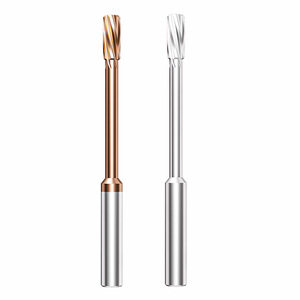
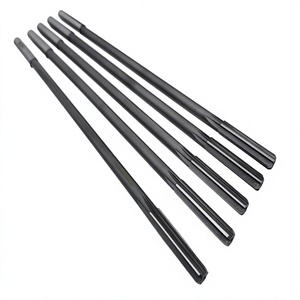
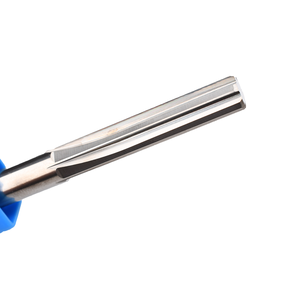
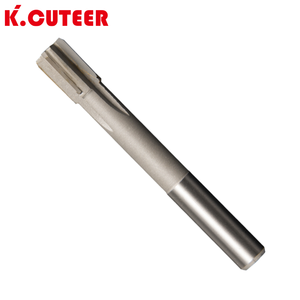
In high-speed automatic production lines and multi-axis CNC machining centers, achieving exact hole location and dimensional accuracy is paramount. A Spotting Drill is specifically engineered with extreme web thickness, minimal flute length, and zero neck relief to ensure maximum structural rigidity. Unlike standard jobber length twist drills which suffer from torsional flex and "drill wander" upon initial engagement with workpiece surfaces, a dedicated carbide or HSS spotting drill creates an immaculate, ultra-precise dimple aligned perfectly with the machine's spindle center.
Engineering Rule of Thumb for Hole Alignment: To prevent cutting edge chipping and corner wear on secondary twist drills, the included point angle of the spotting drill must always be equal to or greater than the point angle of the subsequent secondary drill (e.g., a 120° or 142° spotting drill point for a 118° or 140° secondary drill tip).
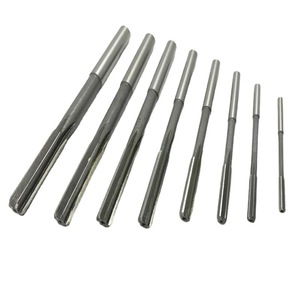
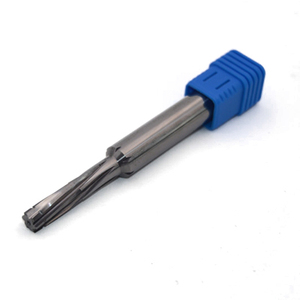
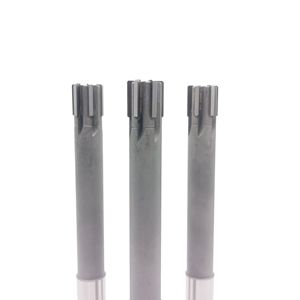
Following precise hole initiation, high-precision sizing requires specialized finishing tools. Our standard-setting line of Solid Carbide Machine Reamers, Bronze-Coated Spiral Flute Tools, and Carbide-Tipped Chucking Reamers bridge the gap between rough drilling and micron-level hole finishing. Designed for tight tolerance requirements ranging from ISO H7 to H8, these tools eliminate bell-mouthing, surface waviness, and out-of-round hole geometries across cast iron, structural steel, stainless steel alloys, and non-ferrous materials.
Built on decades of metallurgical research, advanced brazing technology, and 5-axis CNC grinding precision.
Utilizing premium C-2 class micro-grain carbide (such as Grade 883 for abrasive cast iron and aluminum) and C-5/C-6 class tungsten matrix alloys (Grade 370 for alloy steel cutting), ensuring optimal wear resistance without catastrophic edge breakage.
Beyond our expansive catalog stock, our in-house grinding facilities rapidly produce special geometries, non-standard step diameters, extended shanks, modified chamfers, and coolant-through channels tailored precisely to your CAD/CAM specifications.
Combining proprietary PVD coatings (Bronze AlTiN, TiN, TiAlN) with high-precision tool edge prep/honing. Our tools reduce built-up edge (BUE) formation while delivering surface finishes as smooth as Ra 0.4 µm (16 µin).
As automated manufacturing evolves toward Industry 4.0 dark factories and unmanned high-speed machining centers, procurement officers and tooling engineers must navigate emerging strategic sourcing shifts:
Evaluate operational characteristics across standard cutting tool materials to optimize your production efficiency.
| Tooling Material Class | Machining Rigidity | Shock & Impact Tolerance | Maximum Cutting SFM | Best Workpiece Fit |
|---|---|---|---|---|
| Solid Carbide (Micro-Grain) | Extreme Rigidity Required | Moderate (Rigid Setup Only) | Very High (300–800+ SFM) | Stainless Steel, Hardened Tool Steels, High-Speed Precision CNC |
| Carbide Tipped (Brazed) | Moderate to High | Excellent (Steel Body Absorbs Shock) | High (200–500 SFM) | Interrupted Cuts, Cast Iron, Heavy Machinery, Large Diameters (>0.5") |
| Cobalt HSS (HSS-Co / M42) | Low to Moderate | Maximum Flex Tolerance | Moderate (80–180 SFM) | Manual Machine Shops, Deep Hole Hand Reaming, Soft Steels & Plastics |
| Coated Carbide (Bronze/AlTiN) | High Rigidity | High Edge Toughness | Ultra High (Dry/MQL Capable) | Abrasive Non-Ferrous Alloys, High-Temp Superalloys, Dry Machining |
Answers to common engineering and procurement queries regarding spotting drills and reaming tools.
Center drills are specifically designed to create 60° countersinks for lathe centers and feature a fragile pilot tip prone to snapping under lateral forces. Spotting drills feature an ultra-short, rigid construction with no neck, allowing higher feed rates and accurate point creation without risking tool breakage inside the workpiece.
Our H7 precision machine reamers are ground to strict international standards (nominal size with +0.000/-0.005mm range). Provided the pre-drilling leaves the correct stock allowance (typically 0.15mm to 0.38mm depending on diameter) and coolant is applied, final holes consistently hold H7 tolerances with Ra 0.8 µm or better finish.
Carbide-tipped reamers are ideal for larger hole diameters (above 1/2 inch or 12mm), interrupted cuts (such as reaming across cross-holes or keyways), or setups on less rigid machinery. The alloy steel body dampens dynamic vibration, while the carbide tip delivers long-lasting edge sharpness at a significantly reduced unit cost.
Yes. We specialize in custom tool engineering. Whether you require non-standard step diameters, special included angles (e.g., 90°, 120°, 142°), modified shanks (Weldon flats, Morse taper), or special PVD coatings, our grinding department manufactures directly from your technical drawings.
Straight flute reamers are the universal standard for through-holes and general materials. Spiral flute reamers (right-hand cut, left-hand helix) are highly recommended for blind holes or holes featuring internal keyways and splines, as the helix shear action smoothly lifts chips out toward the shank while preventing tool snagging.
Absolutely. We export high-precision cutting tools to distributors, OEM manufacturers, and machine shop vendors worldwide. Our international logistics team manages export documentation, protective tool packaging, and customs compliance efficiently.
Consult with our tooling engineers today to optimize your cutting parameters, request custom tool drawings, or order direct wholesale stock. Experience ultimate hole accuracy and tool longevity.
Inquire Now