
Rock River Tool, Inc.Precision Cutting Tools
Technical Support(800) 345-8924
Talk to an Engineer Engineered for ISO P, M, K, and N material groups. Direct factory supply for high-accuracy metalworking, deep-hole drilling, and micro-finishing operations.
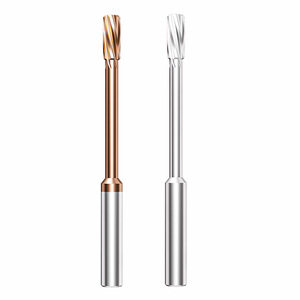
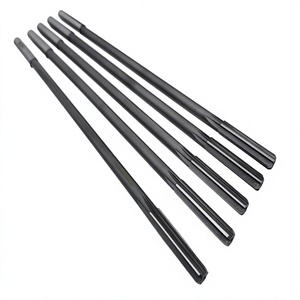
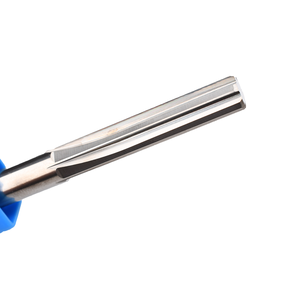
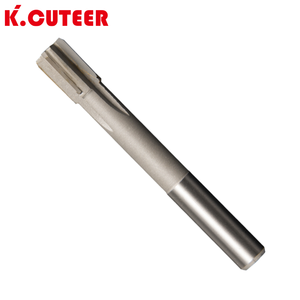
In high-speed CNC metalworking, aerospace structural milling, automotive engine manufacturing, and energy sector drilling, selecting the right cutting tool supplier is a strategic decision that directly affects productivity, tool life per cutting edge, and total cost per hole. Solid carbide drills and carbide-tipped tooling represent the pinnacle of rotary cutting technology, delivering superior Young's modulus, exceptional thermal hardness, and minimal margin wear compared to legacy High-Speed Steel (HSS) and Cobalt (HSSE) alternatives.
However, global procurement teams face increasing complexity due to material variances, inconsistent physical vapor deposition (PVD) coating quality, and supply chain bottlenecks. This engineering guide synthesizes key technical evaluation criteria, manufacturing breakthroughs, and future strategic trends to assist OEM engineers, machine shop managers, and global procurement directors in sourcing world-class carbide drills and machine reamers.
Top-tier carbide manufacturers utilize ultra-fine and nano-grained tungsten carbide (WC) powders with grain sizes ranging from 0.2 µm to 0.6 µm. Combined with controlled Cobalt (Co) binder ratios (typically 6% to 12%), micro-grain substrates yield an optimal balance of hardness (up to 93 HRA) and fracture toughness (K1c > 10 MPa·m¹/²).
State-of-the-art physical vapor deposition (PVD) coatings such as AlTiN (Aluminum Titanium Nitride), TiSiN (Titanium Silicon Nitride), and AlCrN provide nanohardness levels exceeding 35 GPa. These heat-resistant barrier layers preserve edge integrity at cutting temperatures above 900°C.
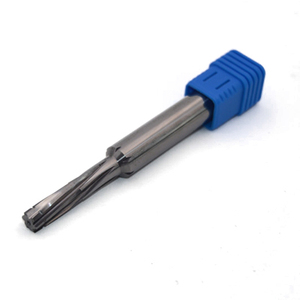
Utilizing 5-axis CNC grinding centers (such as ANCA and Walter), elite exporters produce drills with runout tolerances (TIR) under 0.003mm. Specialized point geometries—including self-centering split points, variable helix angles, and polished flutes—ensure efficient chip evacuation.
Combining American manufacturing precision with global exporting capabilities to support defense, aerospace, hydraulic manifold, and heavy machine tooling requirements.
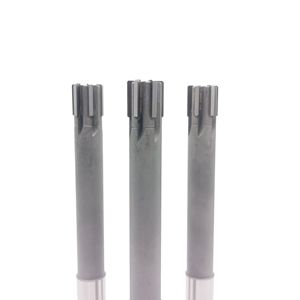
For large-diameter drills, counterbores, and reamers, brazing high-hardness carbide tips onto an alloy steel body offers significant shock absorption and cost benefits. The steel shank flexes under heavy shock loads—such as interrupted cuts or cored castings—preventing total tool breakage while maintaining carbide wear resistance at the cutting zone.
Key Application Areas: Heavy cast iron housings, structural steel plates, legacy non-rigid machinery, and cost-sensitive large-bore operations.
Standard catalogs cannot solve every complex machining challenge. Leading manufacturers offer fully customized tool fabrication based on customer CAD drawings or sample components. From multi-step form reamers to internal coolant-through configurations, custom tooling combines multiple machining steps into a single pass.
Capability Scope: Step drills, custom port contour cutters (MS16142, SAE J1926, MS33649), reduced-shank aircraft counterbores, and non-standard pilot diameters.
Carbide formulation is not one-size-fits-all. Technical exporters match carbide grain structures directly to workpiece chemistry:
As smart manufacturing, green logistics, and advanced aerospace alloys redefine industrial production, carbide drill manufacturers and exporters are adapting to next-generation requirements.
With deep-hole drilling ratios exceeding 10xD or 20xD, flood coolant fails to reach the cutting zone. The future market demands helical internal coolant channels capable of carrying high-pressure fluid (30 to 70 bar) directly to the drill point. This rapidly evacuates chips, prevents thermal cracking, and doubles cutting speeds (SFM).
Global original equipment manufacturers (OEMs) are shifting away from single-source reliance. Tier-1 buyers require certified carbide exporters capable of delivering guaranteed batch-to-batch repeatability, rapid air-freight logistics, transparent material traceability (ISO 9001 compliance), and localized technical engineering support.
Tungsten and Cobalt are classified as critical strategic metals. Top manufacturers are establishing circular supply programs, purchasing worn solid carbide scrap from end-users to re-process via zinc process recycling. Recycled carbide reduces carbon footprints by up to 70% while insulating buyers against virgin tungsten ore price volatility.
Use the quantitative benchmark table below to select the optimal tool substrate, coating system, and speed parameters based on workpiece material groups.
| Material Group | Workpiece Hardness | Recommended Tool Material | Optimum Coating | Cutting Speed (SFM) | Feed Rate (IPR) |
|---|---|---|---|---|---|
| ISO P (Low Carbon Steel) | < 250 HB | Solid Carbide (C-5 Grade) | TiAlN / AlTiN | 250 - 450 SFM | .004 - .012 IPR |
| ISO P (Alloy / Tool Steel) | 28 - 45 HRC | Sub-Micrograin Solid Carbide | TiSiN / Nanostructured AlCrN | 180 - 320 SFM | .003 - .008 IPR |
| ISO M (Stainless Steel) | 160 - 300 HB | Micro-Grain Carbide + Coolant Holes | AlCrN / DLC Coated | 140 - 240 SFM | .002 - .006 IPR |
| ISO K (Gray / Nodular Iron) | 180 - 320 HB | Carbide Tipped (Grade C-2 / 883) | Uncoated / TiN / TiAlN | 200 - 380 SFM | .005 - .014 IPR |
| ISO N (Aluminum / Non-Ferrous) | < 120 HB | Solid Carbide (Polished Flutes) | Bright Uncoated / ZrN | 400 - 1200+ SFM | .006 - .020 IPR |
| ISO S (Titanium & Inconel) | 30 - 48 HRC | Ultra-Fine Micro-Grain Carbide | High-Aluminum PVD | 80 - 150 SFM | .0015 - .004 IPR |
Detailed technical answers provided by senior application engineers to address critical procurement and manufacturing queries.
Carbide-tipped drills braze a high-hardness micro-grain carbide edge onto a toughened alloy steel body. This design is superior for larger hole diameters (typically over 0.500 inches / 12.7mm), deep reach applications, less rigid machine setups, or interrupted cuts (such as drilling through cross-holes or welded seams). The alloy steel shank absorbs mechanical vibration and shock, eliminating the risk of total tool shattering associated with solid carbide, while reducing raw material costs significantly.
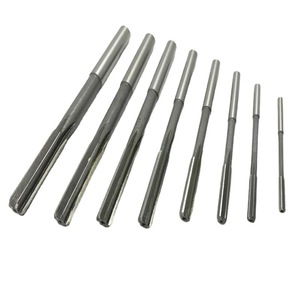
Standard H7 precision machine reamers are ground to strict nominal sizing limits (typically +0.000/-0.0002" or +0.004/-0.000mm depending on diameter). Under stable CNC machine conditions, with a concentric holder (< 0.005mm total runout) and appropriate pre-drilling stock allowance (0.2mm to 0.38mm on diameter), an H7 carbide reamer consistently produces surface finishes under Ra 0.8 µm and hole size tolerances within ISO H7 limits.
C-2 carbide (such as Grade 883) consists of tungsten carbide bound by cobalt without added cubic carbides. It offers maximum resistance to abrasive wear, making it ideal for non-ferrous alloys, gray cast iron, 300-series aluminum, and plastics. C-5 and C-6 grades (such as Grade 370) contain titanium carbide (TiC) and tantalum carbide (TaC) additions that resist thermal crater wear during heavy metal removal on long-chipping carbon and alloy steels.
Internal coolant holes direct high-pressure cutting fluid (MQL or emulsion) straight to the cutting lips and drill point. This immediate cooling reduces thermal gradient shock, lubricates the chip-tool interface, and blasts chips back along the flutes. This prevents chip packing—the primary cause of drill breakage in holes deeper than three times the diameter (3xD)—and can increase cutting speeds by 50% to 100%.
OEM manufacturers offer complete custom tool engineering based on customer drawings. Modifications include special shank types (Weldon flats, Morse taper, reduced shanks), non-catalog step diameters, custom chamfer angles, specific corner radii, modified flute helix angles, and tailored PVD coating layers (e.g., TiSiN for hardened steels up to 65 HRC).
Reputable exporters maintain ISO 9001 quality certification and employ automated optical measuring machines (such as Zoller or Helicheck) to inspect critical dimensions on 100% of production runs. Request inspection certificates detailing outer diameter (OD) tolerance, flute pitch error, edge hone radius, and total indicator runout (TIR) before dispatching high-volume orders.
Need custom carbide drill engineering, standard machine reamer quotes, or global distribution pricing? Connect directly with our application tooling team for technical guidance and rapid quotation.