
Rock River Tool, Inc.Precision Cutting Tools
Technical Support(800) 345-8924
Talk to an Engineer Engineered for high-volume CNC machining, tight-tolerance slotting, H7/H8 precision reaming, and heavy-duty metal removal.
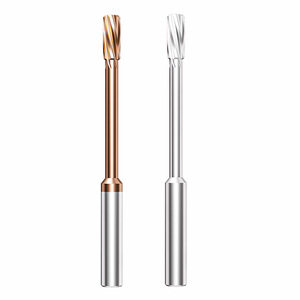
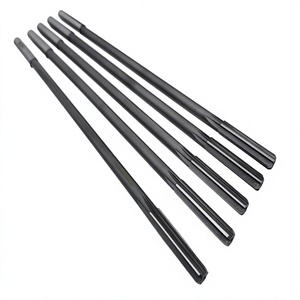
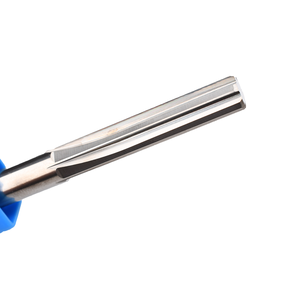
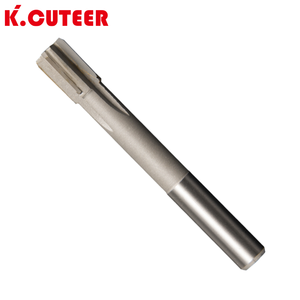
Technical benchmarks, structural advantages, and strategic evaluation standards for industrial procurement officers.
In modern high-speed milling and deep-slotting operations, selecting qualified China side mill factories is no longer merely a transaction based on cost per unit. It represents a vital strategic decision impacting tool life, machining spindle load, Total Cost of Ownership (TCO), and component surface finish accuracy. Side milling cutters, arbor-hole slotting saws, and solid carbide or carbide-tipped machine reamers serve as the workhorses for automotive transmission manufacturing, aerospace structural frame machining, fluid power hydraulic manifold finishing, and heavy industrial equipment production.
Historically, tier-one machining facilities relied exclusively on European or North American tooling suppliers to ensure strict radial runout (TIR) tolerances and consistent carbide substrate microstructures. However, over the past decade, premier Chinese tool manufacturers have undergone massive technological upgrades. By pairing sub-micron grade tungsten carbide rod stocks with 5-axis CNC grinding centers (such as ANCA TX7 and Rollomatic ShapeSmart) and state-of-the-art PVD physical vapor deposition coating tech (TiAlN, AlTiN, nano-composite Bronze/AlCrN), top China tooling factories now deliver cutting tools that match or exceed ISO standards at significantly optimized cost points.
When conducting supplier audits and technical evaluations of Chinese tooling OEMs, global procurement directors must evaluate technical capability beyond simple marketing claims. True manufacturing capability rests upon three metallurgical and mechanical pillars:
Superior side mills require ultrafine micro-grain tungsten carbide (grain size 0.4µm - 0.6µm) with balanced Cobalt binder ratios (8% to 12%). For interrupted cutting and heavy slotting, carbide-tipped configurations brazed to high-tensile alloy steel bodies absorb severe dynamic shock, preventing catastrophic core fracture.
Total Indicator Reading (TIR) must be maintained under 0.003 mm on precision reamers and under 0.005 mm on peripheral side milling cutters. Staggered tooth fluting and unequal index pitch eliminate harmonic vibration and chatter during deep slotting engagement.
Bronze-hued multi-layer titanium aluminum nitride coatings (AlTiN/TiN) reduce friction coefficients to < 0.35 while providing thermal barrier stability up to 900°C, enabling dry machining and high-speed coolant-fed finishing.
Understanding when to deploy solid carbide, carbide-tipped steel body tooling, or premium cobalt high-speed steel (HSS-E) is essential for maximizing tool life and controlling workpiece costs.
| Tool Geometry & Type | Optimal Substrate | Workpiece Hardness | Recommended SFM (m/min) | Primary Industrial Application |
|---|---|---|---|---|
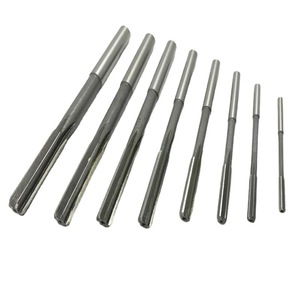
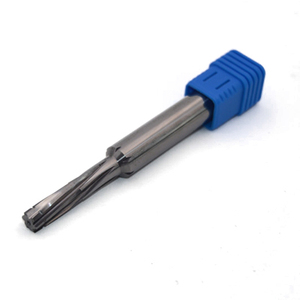
| Solid Carbide Machine Reamers (Spiral Flute) | Ultra-micrograin Tungsten (0.5µm) | Up to 55 HRC | 60 - 120 SFM | Blind hole precision finishing in alloy steel, aluminum valve bodies (H7 tolerance). |
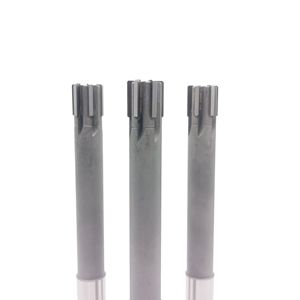
| Carbide Tipped Side Milling Cutters | C2 / C5 Brazed Carbide + 4140 Steel Body | Cast Iron / Steels (35 HRC) | 120 - 250 SFM | Interrupted cut keyseat milling, heavy side slotting, cored castings, long overhangs. |
| HSS-Co Straight Shank Reamers | M35 / M42 High Speed Steel (8% Co) | Up to 38 HRC | 30 - 60 SFM | General shop reaming, hand finishing, maintenance repair, low-rigidity setups. |
| HDD Machine Fluted Reamers | Hardfaced Alloy Steel + Carbide Teeth | Rock / Abrasive Soil | N/A (Trenchless Drilling) | Horizontal directional drilling bore expansion in civil utility construction. |
| High Spiral Shear End/Side Mills | Sub-micron Carbide + AlCrN Coating | Up to 65 HRC | 250 - 500 SFM | Trochoidal peripheral milling, mold & die pocketing, aerospace titanium structural parts. |
Combining American engineering protocols with agile China manufacturing capacity.
Leading Chinese cutting tool manufacturers have absorbed rigorous quality control philosophies from international benchmarks like Rock River Tool, Inc. (manufacturing precision carbide tipped tools in the USA since 1986). By adopting ISO 9001:2015 quality management structures, standardized tool nomenclature, and direct-to-factory technical consultation, top-tier Chinese side mill factories offer distinct operational benefits to global distributors and OEMs:
Strategic technology developments reshaping global cutting tool supply chains.
Conventional full-width slot milling is rapidly giving way to high-speed dynamic or trochoidal side milling. Modern factories are engineering side mills with chip-breaker serrations and variable index spacing to handle low radial engagement (Ae) and extremely high axial depth of cut (Ap), reducing cycle times by up to 60%.
Global buyers now demand 3D STEP models and DXF tool geometry representations formatted for ISO 13399 standard tool data exchange. Chinese manufacturers are integrating digital twin files into their cataloging system, enabling instant CAD/CAM simulation of cutter paths before physical procurement.
With environmental regulations pushing for dry machining and Minimum Quantity Lubrication (MQL), high-end side mills and reamers are increasingly outfitted with internal through-coolant channels. Coolant delivered directly to the cutting edge flushes chips out of deep slots, preventing chip re-cutting and thermal fracturing.
Furthermore, total cost of ownership (TCO) calculations are driving procurement teams to partner with manufacturers offering re-grinding and re-tipping compatibility. High-value carbide-tipped side mills can be re-sharpened 2 to 3 times before replacement, reducing lifelong tooling costs by over 40% in continuous manufacturing environments.
Expert engineering answers to critical sourcing, tolerance, and operational questions.
A solid carbide side mill is constructed entirely from tungsten carbide, offering maximum rigidity and wear resistance for small-to-medium diameters and high-precision finishing. A carbide-tipped side mill features tungsten carbide cutting edges brazed onto an alloy steel shank or body. Tipped cutters are more cost-effective in larger diameters (over 1/2" or 12mm), provide superior shock absorption in interrupted cuts, and flex slightly under heavy radial load rather than snapping.
Straight flute reamers are ideal for through-holes where chips can pass cleanly ahead of the tool, or for general general-purpose reaming in materials that produce short chips (such as cast iron or brass). Spiral flute reamers (typically left-hand helix, right-hand cut) push chips forward out of the hole, making them the standard choice for through-holes with cross-keyways or split bushings. Right-hand helix spiral reamers pull chips backward out of the hole, making them essential for blind holes.
Standard H7 precision machine reamers are ground to precise ISO limits. For example, an 8mm H7 reamer holds a tolerance zone between +0.000mm and +0.015mm. To achieve these numbers consistently in production, machining setups must maintain rigid tool holding (hydraulic or shrink-fit chucks preferred), leave proper reaming stock allowance (0.15mm to 0.25mm on diameter), and use adequate cutting fluid.
Yes. Top-tier China side mill manufacturers specialize in custom OEM tooling. Customers can submit PDF prints or 2D/3D CAD models detailing custom cutter diameters, face widths, corner radii, keyway mounting dimensions, arbor hole diameters, special flute angles, or non-standard substrate/coating requirements. Samples are typically manufactured and inspected within 7 to 14 business days.
AlTiN (Aluminum Titanium Nitride) or AlCrN (Aluminum Chromium Nitride) nano-coatings are recommended for austenitic stainless steels, duplex steels, and heat-resistant superalloys. These coatings exhibit extreme hot hardness (up to 1100°C oxidation temperature) and form an aluminum oxide protective layer during high-heat friction, preventing edge oxidation and built-up edge (BUE) formation.
Standard catalog items (such as standard H7 straight flute reamers or standard slotting cutters) frequently have low or no MOQ requirements (1 to 5 pieces). Custom engineered tooling or special coating batches generally require MOQs of 10 to 20 pieces. Standard lead times range from 5 to 10 days for stock items and 15 to 25 days for custom production orders.
Connect with our technical application specialists to discuss your tooling specifications, request CAD drawings, or evaluate factory pricing for high-volume procurement.
Contact Us