
Rock River Tool, Inc.Precision Cutting Tools
Technical Support(800) 345-8924
Talk to an Engineer Direct OEM factory direct wholesale, engineered with micro-grain carbide, bronze PVD coatings, and H7/H8 precision standards for rigorous CNC machining setups.
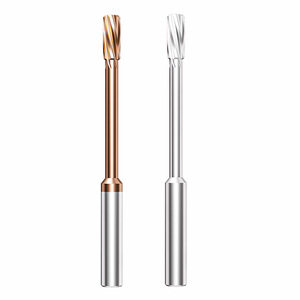
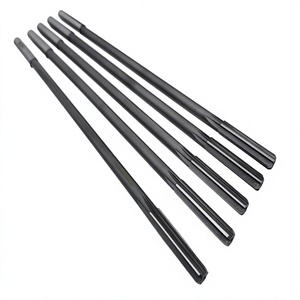
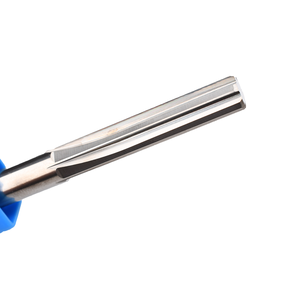
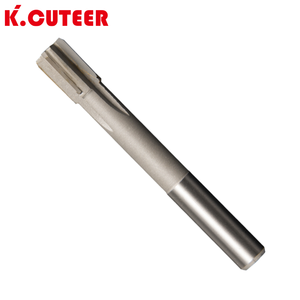
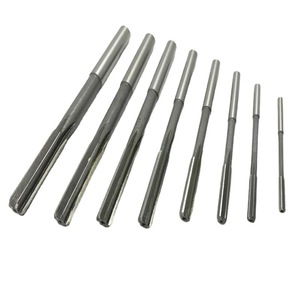
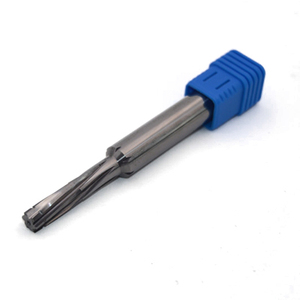
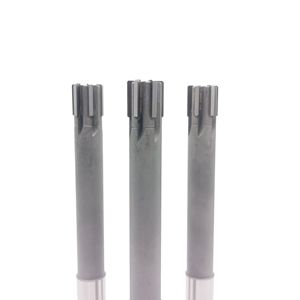
Keyseat cutters (commonly referred to as Woodruff keyway cutters or T-slotting cutters) represent specialized rotary cutting tools engineered specifically for milling keyways, internal locking slots, and external circumferential grooves into shafts, drive hubs, and mechanical transmission assemblies. Operating under high radial deflection forces within confined workpiece pockets, keyseat cutters require optimized flute clearance angles, severe core rigidity, and specialized tooth stagger geometries to suppress chatter and guarantee precise keyway tolerances under DIN 6888 and ANSI B17.1 engineering specifications.
As a premier OEM/ODM Keyseat Cutter Manufacturer & Supplier with decades of grinding heritage, our engineering facility produces both solid micro-grain carbide and brazed carbide-tipped keyseat cutters. By optimizing tungsten matrix cobalt binder ratios (ranging from 6% to 10%) and applying advanced physical vapor deposition (PVD) nanocoatings such as AlTiN and TiSiN, our tools provide superior edge retention, preventing premature thermal fracturing when slot milling difficult-to-machine alloys like 4140 chrome-moly steel, 316L stainless steel, and Inconel 718.
Combining American grinding precision legacy established since 1986 with state-of-the-art CNC automation, we resolve the trade-off between structural rigidity and wear resistance.
Selecting the correct keyseat cutter profile is vital for tool longevity, chip pack prevention, and micro-inch surface finish control. When milling enclosed Woodruff keyways where chips cannot easily escape, staggered tooth geometry provides superior cutting relief compared to straight tooth cutters.
| Cutter Type / Substrate | Tooth Geometry | Target Workpiece Material | Cutting Speed (SFM) | Recommended Feed/Tooth (IPT) | Tolerance Standard |
|---|---|---|---|---|---|
| Solid Carbide Micro-Keyseat | Straight Tooth / Narrow Width | Aluminum Alloys, Brass, Bronze | 350 - 650 SFM | 0.0005" - 0.0015" | ISO H7 (±0.002mm) |
| Brazed Carbide Staggered Tooth | Alternating Axial Shear (Right/Left) | Alloy Steels, Cast Iron, Tool Steel | 120 - 280 SFM | 0.0010" - 0.0030" | ANSI B17.1 Class 1 |
| HSS-Co8 (M42 Cobalt) Slotter | Straight Tooth / Heavy Core | Structural Carbon Steel, Mild Steel | 80 - 140 SFM | 0.0015" - 0.0040" | ISO H8 (±0.005mm) |
| Coolant-Fed Carbide Keyseat | Staggered Flute + Through-Coolant | Inconel, Titanium, Stainless 316 | 100 - 220 SFM | 0.0008" - 0.0020" | Custom Blueprint Spec |
* Technical parameters reflect baseline starting points for rigid CNC machining centers. Adjust cutting parameters based on radial immersion depth, holder concentricity (<0.003mm TIR), and coolant application method.
As global industrial supply chains embrace Industry 4.0 automation and lean manufacturing frameworks, corporate procurement departments and tooling engineers are shifting their supplier selection criteria. Traditional bulk purchasing of standard off-the-shelf tools is giving way to high-agility OEM/ODM manufacturing relationships characterized by:
The manufacturing landscape for rotary cutting tools is undergoing rapid evolution. Key technological breakthroughs pioneered by high-tier tool manufacturers include:
By adopting 0.4µm tungsten carbide grain structures, modern tools achieve higher transverse rupture strength (TRS > 4,000 MPa). This micro-grain structure prevents edge micro-chipping under severe dynamic side-loads during deep slot keyway milling.
Replacing conventional TiN coatings, multi-layer AlTiN and TiSiN coatings provide thermal oxidation resistance up to 900°C. This allows high-speed trochoidal slotting without thermal degradation of the underlying carbide substrate.
Expert answers addressing tooling selection, tolerance control, dynamic runout, and OEM customization options.
Staggered tooth cutters feature alternating axial shear angles on adjacent teeth, which breaks up chips and balances cutting pressure. They are strongly recommended for keyway depth-to-width ratios exceeding 2:1, as well as for tough materials like alloy steels and stainless steel, because they eliminate sidewall chatter and prevent chip jamming within closed slot pockets.
We manufacture straight shanks for precision hydraulic chucks, Weldon flat shanks for slip-proof mechanical clamping, Morse taper shanks for legacy machine spindles, and extended-reach shanks designed for deep-cavity aerospace valve bodies. Custom shank diameters and flats can be ground upon request.
Every keyseat cutter undergoes 100% optical inspection on multi-axis laser measuring systems. Cutter head concentricity to the shank axis is held within < 0.003mm (0.00012 inches) TIR. Maintaining minimal runout ensures equal chip load per tooth, preventing premature tool breakage and maintaining strict ISO H7 slot tolerances.
To provide an accurate quote within 24 hours, please supply your tool blueprint or specify: cutter head diameter, width of cut, neck clearance diameter, neck length, overall length, shank diameter, substrate preference (Solid Carbide vs. Brazed Carbide/HSS), workpiece material, and desired production quantity.
Need custom slotting tools, non-standard reamers, or high-volume wholesale pricing for standard keyseat cutters? Talk directly with our senior application engineers today.