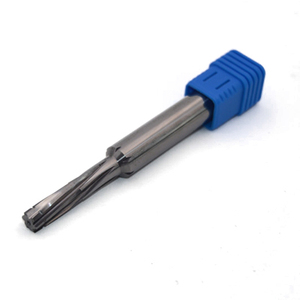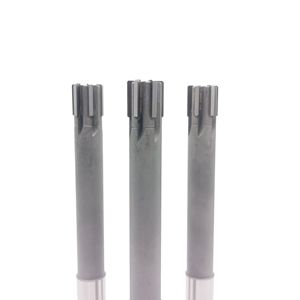
MADE IN USA  Carbide Tipped & Solid Carbide Cutting Tools — manufacturing since 1986
Mon–Fri 7:00am–5:30pm CDT · (800) 345-8924

Custom OEM Lathe Tool Manufacturers & Suppliers

Precision Brazed & Solid Carbide Turning Tools, Machine Reamers, and Engineered Cutting Tool Solutions for High-Precision Metalworking

Engineered Precision Lineup

Featured OEM Precision Lathe & Reaming Tools

Explore our high-performance standard and custom cutting tools engineered for extreme runout accuracy, wear resistance, and long edge life in CNC lathe and turning operations.
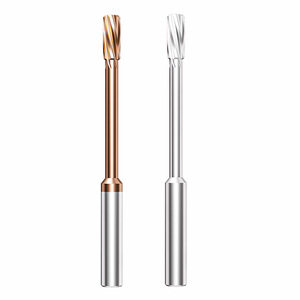
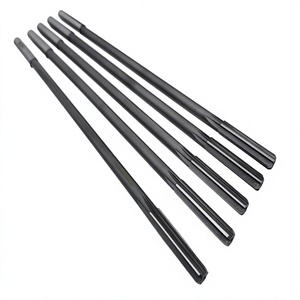
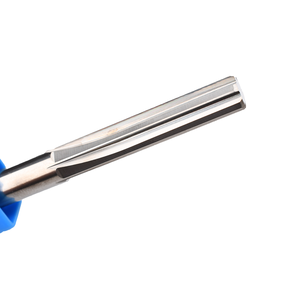
Solid Carbide Machine Reamer Straight Shank Spiral Flute
Solid Carbide Machine Reamers, Straight Shank & Spiral Flute
  • Accuracy: H7 Precision (0.5–12.0mm)
  • Coating: Multi-Layer Bronze Nano-Coating
  • Application: High-Speed Machine Finishing
Send an Inquiry
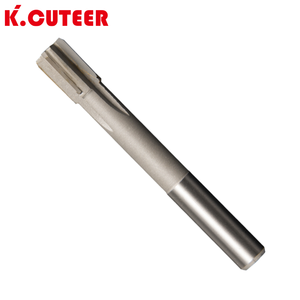
H7 HSS Machine Reamer Straight Shank
H7 HSS Machine Reamer Straight Shank Deep Hole Tool
  • Tolerance: H8/H7 Standard Precision
  • Hardness: Up to 55 HRC Hardened Steel
  • Helix Angle: 15–20° Dry Cooling Compatible
Send an Inquiry
1mm to 20mm Carbide Machine Reamer Coated
1mm to 20mm Micro-Grain Carbide Machine Reamer
  • Size Range: 1.0mm – 20.0mm Diameter
  • Geometry: Straight Flute H7 Hole Finishing
  • Substrate: Ultra-Fine Tungsten Carbide
Send an Inquiry
Custom Made High Speed Steel Reamer
Custom-Made HSS Extended Shank Non-Standard Reamer
  • Customization: Blueprint Geometry & Extended Reach
  • Material: Premium White High-Speed Steel
  • Precision: Custom H7 / H8 Class Tolerances
Send an Inquiry
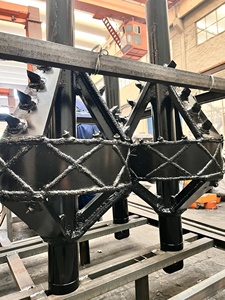
Horizontal Directional Drilling Fluted Reamer
Heavy-Duty Horizontal Directional Drilling Fluted Reamer
  • Compatibility: Major Industrial HDD Machinery
  • Construction: Carbide Tipped Heavy-Duty Flutes
  • Benefit: High Torque Shock Load Resistance
Send an Inquiry
Straight Shank High Precision Machine Reamer
High-Precision Straight Shank Metal Manual & Machine Reamer
  • Material Grade: Premium M2/M35 HSS Steel
  • Operational Use: Lathe Boring & Bench Reaming
  • Value: Wholesale OEM Direct Manufacturing
Send an Inquiry
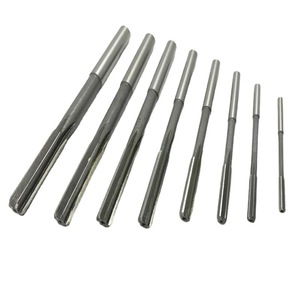
CNC Machine Milling Carbide Spiral Flute Reamer Set
CNC Lathe & Milling Carbide Spiral Flute Reamer Tool Sets
  • Configuration: Multi-Piece Precision Tooling Kit
  • Flute Design: Right-Hand Cut Spiral Flutes
  • Workpiece: Stainless Steel, Alloy Steels, Cast Iron
Send an Inquiry
20mm Carbide Reamer Manufacturer Direct
20mm OEM Solid Alloy Carbide Machine Chucking Reamer
  • Outer Diameter: 20mm Nominal (+0.005mm)
  • Metallurgy: C2/C5 Micro-Grain Tungsten Alloy
  • Quality: 100% CMM Inspected Direct Wholesale
Send an Inquiry
1986
Established Manufacturing Heritage
<2µm
TIR Runout Precision Control
C2/C5/C6
Premium Substrate Metallurgies
100%
In-House CNC Grinding & QC
Industrial Engineering White-Paper

Technical Mastery in Custom OEM Lathe & Cutting Tool Manufacturing

A comprehensive analysis of substrate chemistry, brazed joint mechanics, tool geometry optimization, and surface engineering for demanding lathe operations.

Substrate Selection & Microstructure

The operational longevity of a lathe turning tool or machine reamer depends fundamentally on matching the tungsten carbide (WC-Co) sub-grain structure to the thermal and mechanical stresses of the workpiece metal.

  • C-2 Class (ISO K10–K30 / Grade 883): Formulated with a 6% Cobalt binder and micro-grain WC particle distribution. Ideal for machining abrasive non-ferrous materials, gray cast iron, 300-series stainless steels, and copper alloys where edge attrition wear dominates.
  • C-5 / C-6 Class (ISO P10–P30 / Grade 370): Enhanced with Titanium Carbide (TiC) and Tantalum Carbide (TaC) additives to inhibit crater wear during continuous high-speed turning of medium and high-alloy carbon steels.
  • Sub-Micron Grain Matrix (<0.6µm): Delivers extreme transverse rupture strength (TRS >3,800 MPa), preventing edge micro-chipping under interrupted cuts on lathes.
Information Gain Note: Micro-grain tungsten carbide shanks absorb high-frequency chatter dynamic forces during lathe boring setups, maintaining strict H7 cylinder roundness tolerances over extended production cycles.

Brazing Mechanics & Structural Integrity

For custom carbide-tipped lathe tools, chucking reamers, and counterbores, the silver-braze joint between the tungsten carbide tip and high-tensile alloy steel body represents a critical engineering stress node.

  • Induction Silver-Brazing: Utilizing tri-foil silver-copper-nickel shim alloys (Ag-Cu-Ni), providing a controlled thermal expansion buffer that prevents thermal stress cracking during cooling.
  • Heat-Treated Alloy Tool Steel Bodies: Tool shanks are precision-machined from 4140 or 4340 chromoly alloy steel, hardened to 42–45 HRC to withstand deflection, extreme torque spikes, and clamping fatigue in lathe tool turrets.
  • Vibration Damping Co-efficiency: The composite construction—hardened steel shank coupled with dense carbide cutting tips—offers superior shock absorption compared to brittle solid carbide tools when machining scaled forgings or keyway-interrupted shafts.
Tool Construction Type Impact & Shock Resistance Thermal Threshold Re-Sharpening Economics Primary CNC Lathe Application
Carbide Tipped (Brazed) Superior (High Flexural Toughness) Up to 900°C at Cutting Tip Excellent (Multiple Regrinds) Interrupted cuts, heavy roughing, large diameters (>12mm), cast iron, lathe turning.
Solid Carbide Moderate (Prone to chipping on flex) Up to 1,200°C Moderate (Requires CNC tool cutter grinder) Micro-reaming (<1.0mm), ultra-high SFM finishing, rigid setups, tight tolerance H7/H6 holes.
HSS / Cobalt (M35/M42) Maximum Structural Elasticity Up to 600°C Simple Wheel Regrind Low-speed turning, deep hole reaming, manual metal lathes, non-rigid setup environments.
Market Intelligence

Future Industry Trends in Custom OEM Tooling & Lathe Machining

How modern production facilities are shifting procurement strategies toward high-density substrates, smart tool monitoring, and sustainable reconditioning workflows.

1. Micro-Lubrication & MQL Internal Coolant Integration

Future lathe and reaming tooling procurement prioritizes internal through-coolant channels optimized for Minimum Quantity Lubrication (MQL). Directing high-pressure fluid directly to the chip-tool interface reduces thermal shock and increases edge life by up to 300% in stainless steel turning.

2. Multi-Layer PVD/CVD Nano-Structure Coatings

Transitioning from basic TiN coatings to advanced AlCrN (Aluminum Chromium Nitride) and DLC (Diamond-Like Carbon) coatings. These coatings provide ultra-low friction coefficients (<0.2) and extreme oxidation resistance up to 1100°C, ideal for dry high-speed machining of aerospace alloys.

3. Custom OEM Print-to-Part Rapid Prototyping

Global manufacturers are shortening engineering cycles by partnering with tool manufacturers offering 3D-CAD to 5-axis CNC grinding setups. Standardized digital twins enable quick turnarounds for complex step-reamers, form cutters, and specialized lathe inserts.

Why Partner With Us

Our OEM Manufacturing Capabilities & Enterprise Advantages

Delivering precision tool grinding, rigid quality assurance, and engineering support for global tool distributors, machine builders, and high-volume machine shops.

Complete In-House Manufacturing Control

Every step of our manufacturing process—from raw tungsten stock inspection, steel shank turning, thermal induction brazing, to 5-axis CNC flute grinding—is executed entirely inside our state-of-the-art facility.

  • CNC Tool Grinding Precision: Utilizing multi-axis CNC grinders equipped with laser tool measurement to maintain flute spacing and runout under 0.002mm (2 microns).
  • Traceability & Batch Consistency: Metallurgical certificates of analysis are recorded for every batch, guaranteeing uniform hardness and grain distribution.
  • Custom Tool Engineering: Full capability to modify shank styles (Morse Taper, Straight Shank, Weldon, Whistle Notch), add step radii, and engineer custom chamfer angles per blueprint specs.

Quality Assurance & Global Supply Chain Standards

We supply industrial tools adhering strictly to international standards, including ISO 286-2 hole tolerance classes, DIN 212/217 reamer geometries, and S.A.E. port contour cutter profiles (MS16142, MS33649, J1926).

  • CMM & Optical Comparator Inspection: 100% verification of cutting edge geometry, rake angles, land widths, and pitch error.
  • OEM Branding & Private Labeling: Laser marking custom part numbers, logos, and QR codes directly on tool shanks for global distribution partners.
  • VMI & Buffer Inventory Services: Flexible stocking agreements to guarantee uninterrupted supply for continuous automotive and hydraulic production lines.
Procurement & Technical FAQ

Frequently Asked Questions for Custom Tool Procurement

Find authoritative answers regarding lathe tool geometries, custom manufacturing options, material grade matching, and order logistics.

When should I specify a carbide-tipped lathe tool over a solid carbide tool?
Carbide-tipped tools braze high-grade tungsten carbide tips onto a hardened alloy steel body. This hybrid construction is ideal for interrupted cuts, heavy-duty lathe turning, larger tool diameters (>12mm / 1/2 inch), and older or less rigid machine setups. The tough steel body absorbs deflection and shock, protecting the carbide edge from catastrophic fracturing while offering a significantly lower cost per tool.
What hole tolerances can your solid carbide and HSS chucking reamers achieve?
Our standard machine reamers are ground to nominal sizes complying with ISO H7 tolerances (+0.000/-0.012mm for mid-range diameters). Custom tolerances down to H6 or specific plus-side allowances (+0.005mm nominal) can be manufactured upon request. Final hole accuracy relies on adequate pre-drill stock allowance (leaving ~0.2mm to 0.35mm on diameter), proper spindle runout alignment (<0.005mm TIR), and high-lubricity coolant delivery.
What is the procedure for ordering non-standard custom tools based on a technical drawing?
Simply submit your CAD model (STEP/IGES) or 2D detail print (PDF/DWG) via our inquiry portal. Our tool design engineers evaluate geometry manufacturability, recommend optimal carbide grades (e.g., C2 for cast iron, C5/C6 for alloy steel), select suitable PVD coatings, and issue a formal quote within 24 hours. Prototype runs and low-volume production samples are supported.
How do straight flutes compare with spiral flutes on machine reamers?
Straight flute reamers are best suited for reaming blind holes or through-holes without keyways in short-chipping metals such as cast iron and brass. Spiral flute reamers (typically 15° to 45° helix) push chips forward (left-hand spiral) or pull chips back out (right-hand spiral), making them the ideal choice for through-holes featuring cross-holes, keyways, or internal splines to prevent tool snagging and edge chipping.
Can brazed carbide-tipped lathe tools and reamers be reconditioned?
Yes. Tipped tooling offers superior life-cycle economics because worn carbide cutting edges can be reground multiple times on precision diamond-wheel CNC tool grinders. In many cases, worn carbide tips can even be de-brazed, replaced with new carbide blanks, and reground to original print dimensions, delivering original-equipment performance at a fraction of new tool cost.

Engineered Precision Lathe Tooling Built to Your Exact Specs

Partner with an established manufacturer of high-precision machine reamers, carbide-tipped lathe tools, and custom cutting tools. Upload your technical drawing or consult with our engineering team today.

Send an Inquiry