
MADE IN USA  Carbide Tipped & Solid Carbide Cutting Tools — manufacturing since 1986
Mon–Fri 7:00am–5:30pm CDT · (800) 345-8924
0%

What Are the Best China Coolant Fed Reamers?

Choosing the best China Coolant Fed Reamers requires more than comparing prices or polished product photos. A reamer must produce accurate holes, stable finishes, and predictable tool life under real cutting conditions. In a busy workshop, coolant should reach the cutting zone quickly, not splash uselessly around the spindle. That detail matters.

Tony Schmitz, a respected machining researcher and author, often stresses the importance of measurable cutting performance. As he puts it, “The process is only as good as the data behind it.” This principle applies directly to coolant-fed reaming. Buyers should examine hole tolerance, coolant pressure requirements, flute geometry, coating quality, and shank accuracy. They should also request inspection records and practical test results.

Material changes everything. Aluminum may favor sharp cutting edges and polished flutes. Stainless steel usually demands stronger edge preparation and reliable heat control. Hardened steel can expose weak coatings very quickly. A tool that performs well in one factory may struggle in another.

Look closely at the details.

The strongest manufacturers usually provide complete dimensions, recommended speeds, feed ranges, and compatible coolant systems. They can also explain how their tools handle interrupted holes, deep bores, and varying workpiece hardness. Still, no catalog can replace a controlled trial. Some claims sound convincing but remain untested on your machine.

The following guide compares key Chinese suppliers, tool designs, materials, and quality indicators. It also considers consistency between batches, technical support, and total operating cost. The “best” option is rarely the cheapest one. It is the reamer that delivers repeatable holes, fewer adjustments, and dependable results across demanding production cycles.
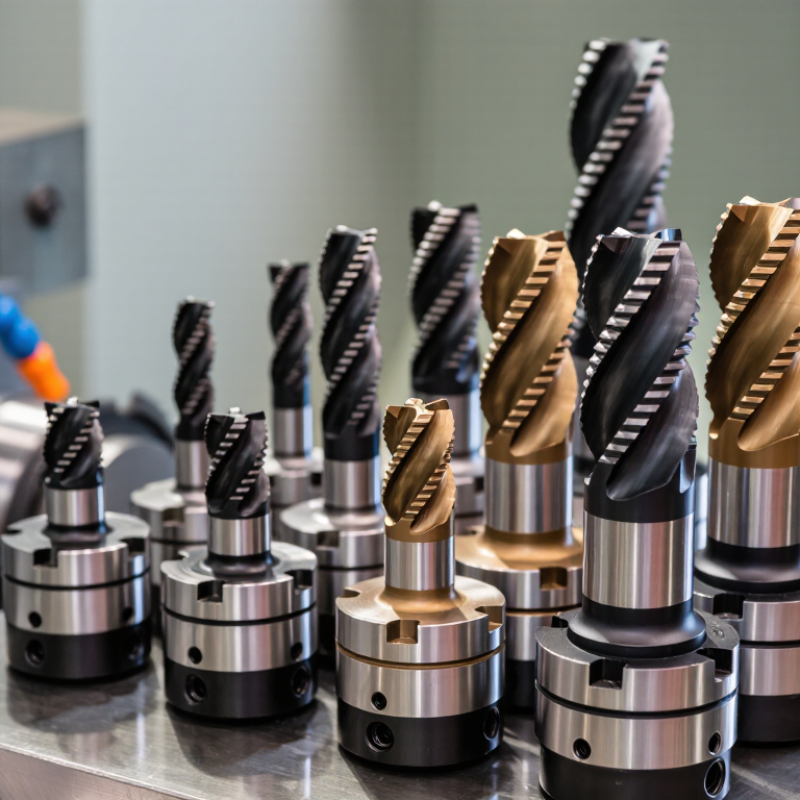
What Are the Best China Coolant Fed Reamers?

What Are China Coolant-Fed Reamers and How Do They Work?

China coolant-fed reamers are precision tools with internal channels that deliver coolant directly to the cutting edges. This flow removes heat and pushes chips away from the hole. It also reduces built-up edge during deep or interrupted reaming.

The principle is simple. A machine sends filtered coolant through the reamer body. Small outlets release it near the cutting zone. The fluid lubricates the edge and limits thermal expansion. Hole size becomes more stable, especially in stainless steel, aluminum, and hardened alloys. According to the 2024 Metal Cutting Tools Market report by MarketsandMarkets, the global market may grow from about 77.4 billion dollars in 2023 to 101.5 billion dollars by 2028. That growth reflects stronger demand for accuracy and process efficiency. Still, coolant alone cannot correct poor alignment.

When choosing a China-made coolant-fed reamer, check runout, hole tolerance, material grade, coating, and coolant pressure requirements. A reamer designed for H7 holes may perform poorly if the pilot hole is oversized. Practical testing matters. Measure ten consecutive holes, not one successful sample. Industry 4.0 reports from the International Federation of Robotics also show rising factory automation, making repeatable tool performance more valuable. Yet, I would not trust catalog claims without inspection records. Ask for dimensional reports, balance data, and cutting trials under your actual machine conditions. Small details matter.

Which Features Define a High-Quality Coolant-Fed Reamer?

What Are the Best China Coolant Fed Reamers?

A high-quality coolant-fed reamer begins with controlled coolant delivery. Internal channels should direct fluid toward the cutting edges, not merely into the hole entrance.

The U.S. Department of Energy’s metalworking-fluid guidance reports that fluid expenses can represent roughly 7–17% of machining costs. Efficient delivery therefore affects more than tool life. It can reduce heat, chip recutting, and unplanned cleaning.

Check the manufacturer’s recommended pressure and flow range. Excessive pressure can damage delicate edges. Not always better.

Runout is another defining feature. For precision reaming, many workshops target tool runout below 0.005 mm at the cutting diameter. A rigid shank, accurate gauge length, and balanced holder help maintain that result.

Carbide construction offers stiffness, while a suitable coating can reduce friction in abrasive materials.

However, coating selection should match the workpiece. A coating designed for stainless steel may perform poorly in aluminum.

Geometry also deserves close inspection. Unequal flute spacing can reduce vibration, while polished flutes improve chip movement in softer alloys. The hole entrance should remain clean, without visible scoring or bell-mouthing.

ISO 286 tolerance principles remind engineers that the finished hole, not the tool label, defines success. Measure sample holes with calibrated gauges after thermal conditions stabilize.

I have seen excellent tools fail because operators ignored holder wear, coolant contamination, or incorrect feed rates. Tool quality is only one part of the cutting system.

How to Compare China Coolant-Fed Reamer Types and Specifications

What Are the Best China Coolant-Fed Reamers?

Comparing China coolant-fed reamers starts with the workpiece, hole depth, and required finish. Solid carbide reamers suit hardened materials and high-speed production. HSS reamers offer better toughness and lower replacement cost. Carbide-tipped designs can balance strength, wear resistance, and price. That choice matters.

Check the coolant path carefully. Through-tool coolant should reach the cutting edges, not merely the shank. Confirm the recommended pressure, flow rate, and coolant type before ordering.

For deep holes, helical flutes often improve chip evacuation. Straight flutes may perform better in stable, interrupted applications. Review diameter tolerance, shank standard, flute length, total length, and allowable runout.

A reamer with excessive runout can produce a tapered hole, even when its nominal size looks correct.

Coating selection also deserves attention. A hard coating may extend tool life in abrasive alloys, but it can be unnecessary for softer steel. Ask for inspection records, material certificates, edge photographs, and sample measurements.

Compare hole size, roundness, surface roughness, and tool life during a controlled trial. Measure twice.

In practical testing, catalog figures do not always match machine conditions. Coolant pressure, spindle alignment, and fixture rigidity can change the result. I would avoid judging suppliers by price alone; however, premium specifications still need proof through repeatable samples and documented quality checks.

Which Materials and Applications Suit These Reamers Best?

What Are the Best China Coolant Fed Reamers?

Coolant-fed reamers work best when material, hole depth, and coolant pressure match the tool design. Cemented carbide reamers suit hardened steels, cast iron, and abrasive alloys. High-speed steel versions remain useful for softer steels and lower-volume production. For aluminum, polished flutes reduce built-up edge. Stainless steel demands sharp edges and steady internal coolant flow. Titanium and nickel alloys need strong heat control, because they retain heat around the cutting zone.

MarketsandMarkets reported that the global metal cutting tools market could reach about 102 billion dollars by 2028, with efficiency driving demand for advanced tooling. Grand View Research also estimated the metalworking fluids market at more than 14 billion dollars in 2023. These figures explain the growing interest in through-coolant reaming. However, coolant alone cannot correct poor alignment. A rigid machine, accurate pilot hole, and stable workholding still matter. Small details decide the result.

For deep holes, choose axial coolant outlets when chip evacuation is difficult. Helical flutes often perform better in interrupted or flexible cutting conditions. Through-coolant pressure should follow the tool maker’s specification, not guesswork. In shop trials, a reamer may produce a bright hole but still miss cylindricity. That is easy to overlook. ISO 286 tolerance planning helps match the reamer diameter with the required hole class. A catalog claim is not enough; test the tool on the actual alloy, coolant, and spindle setup.

How to Choose a Reliable China Coolant-Fed Reamer Supplier

Choosing the Best China Coolant-Fed Reamers: How to Choose a Reliable Supplier

The best China coolant-fed reamer is not always the cheapest option. A reliable supplier should understand hole size, workpiece material, coolant pressure, and machine limits. Ask for dimensional tolerances, tool material, coating details, and coolant-hole drawings. These details show whether the supplier understands real machining conditions.

Request a sample before placing a large order. Test it on your actual material, not only on a supplier’s demonstration block. Check hole roundness, surface finish, tool life, and chip evacuation. A clear inspection report should include measured diameters and tolerance results. Confirm whether the supplier controls production internally or depends on several unknown subcontractors. I once focused too heavily on price. The first sample looked acceptable, but its edge wear increased quickly. That experience changed my evaluation process.

Tips: Compare at least three suppliers. Ask for recent inspection records and material certificates. Check response speed and technical accuracy. A trustworthy supplier should explain limits honestly, including tolerances it cannot guarantee. Discuss packaging, replacement procedures, and delivery schedules in writing. Video factory tours can help, but they do not replace sample testing. Be cautious when product photos look perfect, yet technical answers remain vague. Supplier reliability is built through evidence, not confident promises.

FAQS

What is a coolant-fed reamer?

It is a precision cutting tool with internal coolant channels. Fluid reaches the cutting edges directly. This removes heat and carries chips away. Simple idea, but alignment still matters.

How does coolant improve reaming performance?

Coolant lubricates the cutting zone and limits thermal expansion. It can reduce built-up edge, especially during deep or interrupted reaming. Cleaner chip removal helps protect the finished hole. More pressure is not always better.

Which materials suit coolant-fed reamers?

These reamers commonly suit stainless steel, aluminum, and hardened alloys. The geometry and coating must match the workpiece. A coating effective on stainless steel may perform poorly in aluminum.

What runout should buyers check?

Many precision workshops target runout below 0.005 millimeters at the cutting diameter. A rigid shank and balanced holder support this result. Measure the actual tool. Do not trust the catalog alone.

How can I evaluate reamer quality?

Check coolant channels, flute geometry, coating, material grade, and dimensional accuracy. Unequal flute spacing can reduce vibration. Polished flutes may improve chip movement in softer alloys. Inspect the hole, not just the tool.

How should a supplier sample be tested?

Test the reamer on your actual machine and workpiece material. Measure at least ten consecutive holes. Check diameter, roundness, surface finish, chip evacuation, and tool wear. One good hole proves very little.

What supplier documents are useful?

Request dimensional reports, material certificates, balance data, and coolant-hole drawings. Confirm pressure and flow requirements. Ask about packaging, replacements, and delivery schedules in writing. Technical evidence matters more than polished photos.

Why can a good reamer still fail?

Worn holders, coolant contamination, poor alignment, and incorrect feeds can cause failure. An oversized pilot hole may also create poor results. I once focused too much on price. The sample looked fine, but edge wear increased quickly. That was a useful warning.

Conclusion

China coolant-fed reamers are precision cutting tools designed to deliver coolant through internal passages directly to the cutting area. This system helps reduce heat, clear chips, improve hole quality, and extend tool life during demanding machining operations. A high-quality Coolant Fed Reamers should offer accurate dimensions, strong cutting edges, stable performance, suitable coolant channels, and a finish that supports consistent results. Important specifications include reamer diameter, tolerance, flute design, shank type, material, coating, and coolant pressure requirements.

Choosing the right type depends on the workpiece and application. Carbide, high-speed steel, and coated options may suit different materials such as aluminum, steel, stainless steel, and cast alloys. Buyers should compare accuracy, durability, customization options, production capacity, inspection procedures, and delivery reliability. A dependable supplier should provide clear technical data, consistent quality control, responsive communication, and practical support for tool selection and application requirements.

Amelia

Amelia

Amelia is a dedicated marketing professional with extensive expertise in developing clear, engaging, and customer-focused content for a technology-driven company. With a strong understanding of the company’s products, services, and target markets, she translates complex information into practical......